AI workloads have changed what data centers need to provide. Training large models or running inference at scale requires GPUs packed tightly together. That creates heat and power demands that traditional racks were never designed to handle.
Many facilities are now upgrading or building specifically for high-density racks so they can support these new loads without constant thermal problems.
What Makes a Rack High-Density
A high-density rack typically supports 20 kW or more per cabinet, sometimes much higher. Regular enterprise racks often sit in the 5–10 kW range. The difference comes from better power distribution, stronger floor support, and especially advanced cooling.
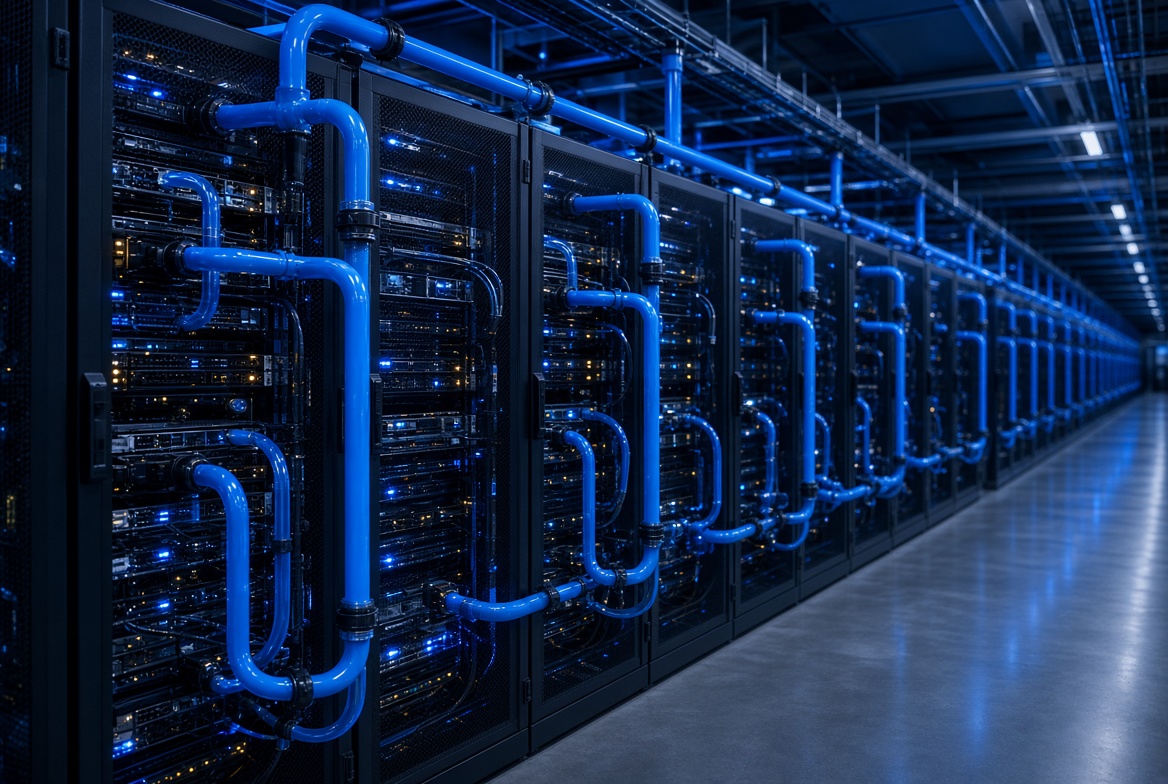
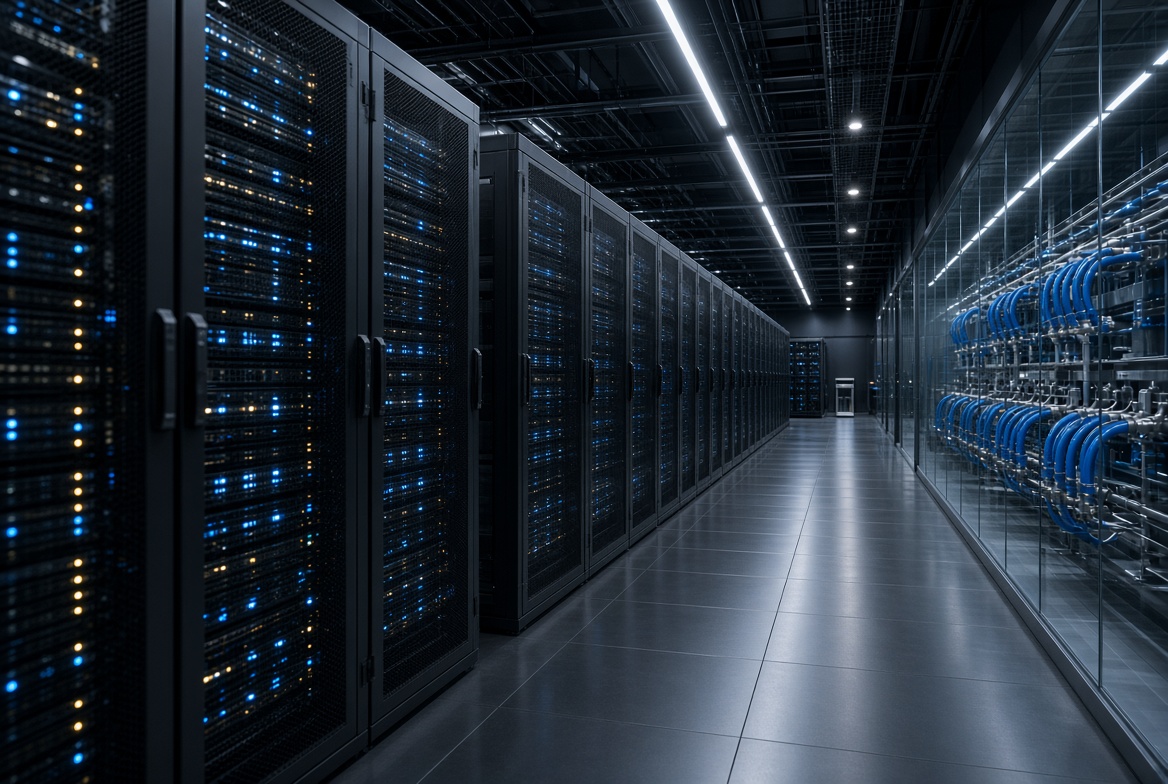
Liquid cooling, rear-door heat exchangers, or direct-to-chip cooling are common approaches. Air cooling alone struggles once you push past certain power levels because the heat cannot be removed fast enough.
When a facility is built with these capabilities from the start, operators avoid having to retrofit later, which is expensive and disruptive.
Why AI Pushes Density Higher
GPU clusters for AI need low latency between nodes. Spreading them across many racks increases network distance and latency. Packing more compute into fewer racks keeps communication fast.
At the same time, each GPU draws significant power and produces substantial heat. A single high-end GPU can consume 700 W or more. Multiply that by dozens inside one rack and the thermal load becomes extreme.
Facilities that already hold Tier IV certification and sit close to major internet exchanges in Jakarta tend to make stable connectivity easier to maintain while handling these dense loads.
Cooling Challenges and Solutions
Traditional CRAC units and raised-floor air cooling have limits. Hot spots appear, and servers start throttling or shutting down to protect themselves.
Newer approaches include immersion cooling, where servers sit in dielectric fluid, or cold-plate systems that remove heat directly from the chips. These methods allow much higher density without raising the room temperature dramatically.
When your workloads start moving toward AI or need higher power density per rack, a data center built for that load is simply more comfortable to run.
Practical Considerations for Operators
Power delivery must match the density. That means larger breakers, better PDUs, and sometimes dual power feeds to every rack. Monitoring becomes critical because a single failure can affect many high-value GPUs.
Redundancy matters more. Tier IV designs with concurrent maintainability help because you can service equipment without taking the entire row offline.
Many teams prefer colocation that also offers a disaster-recovery option in a different city so regional risks stay manageable.
Looking Ahead
As AI models continue to grow, demand for high-density capacity will keep rising. Data centers that can deliver reliable power, effective cooling, and low-latency connectivity will have a clear advantage.
Choosing a facility that already supports high-density racks and has strong redundancy reduces operational surprises later. The investment in the right infrastructure pays off when workloads scale.