Many companies are starting to run AI models or process large datasets. The servers that handle this work use more electricity and produce more heat than regular web or database servers. Building a new facility just for that can take years and cost a lot. Colocation offers a faster path.
Why AI Workloads Change the Requirements
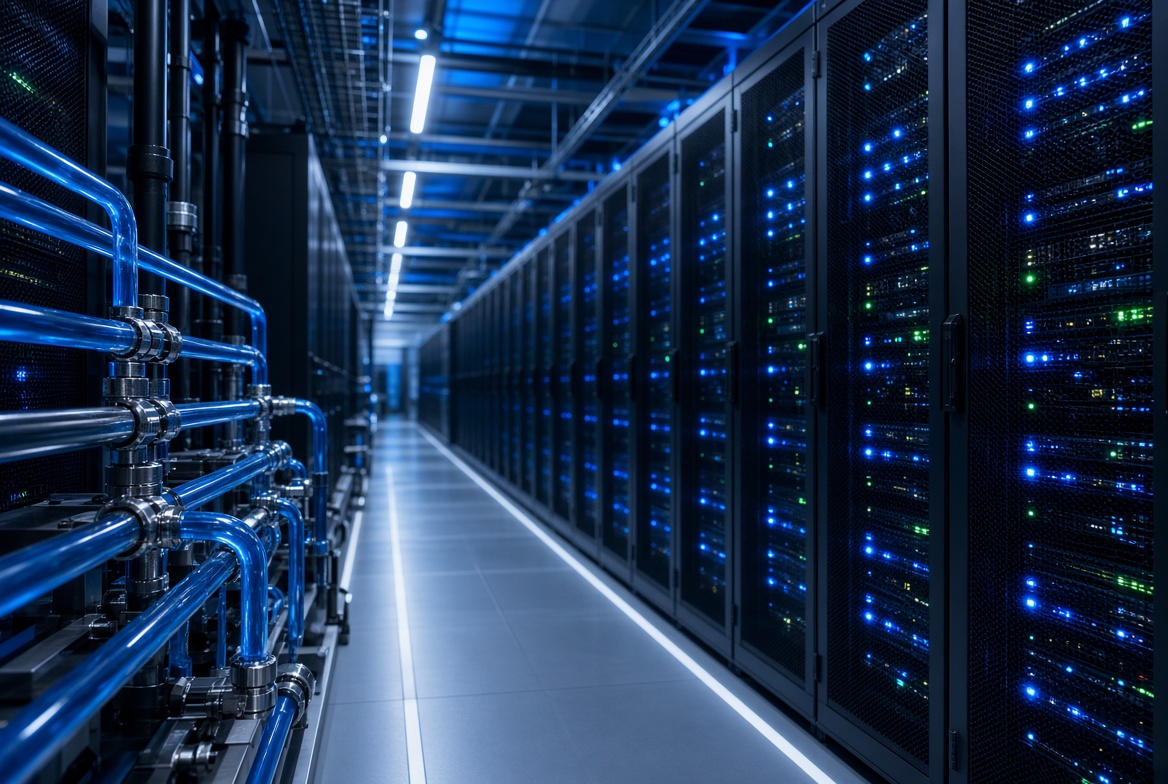
A typical server rack might draw 5 to 10 kilowatts. An AI training rack can easily need 20 to 40 kilowatts or more. The cooling system must remove that heat quickly, otherwise the machines throttle or shut down. Power feeds also need to be redundant because a short interruption can waste hours of training.
Most existing office server rooms were never designed for this density. Upgrading power, cooling, and floor strength takes time and money. While the work is happening, the AI projects stay delayed.
What Colocation Actually Provides
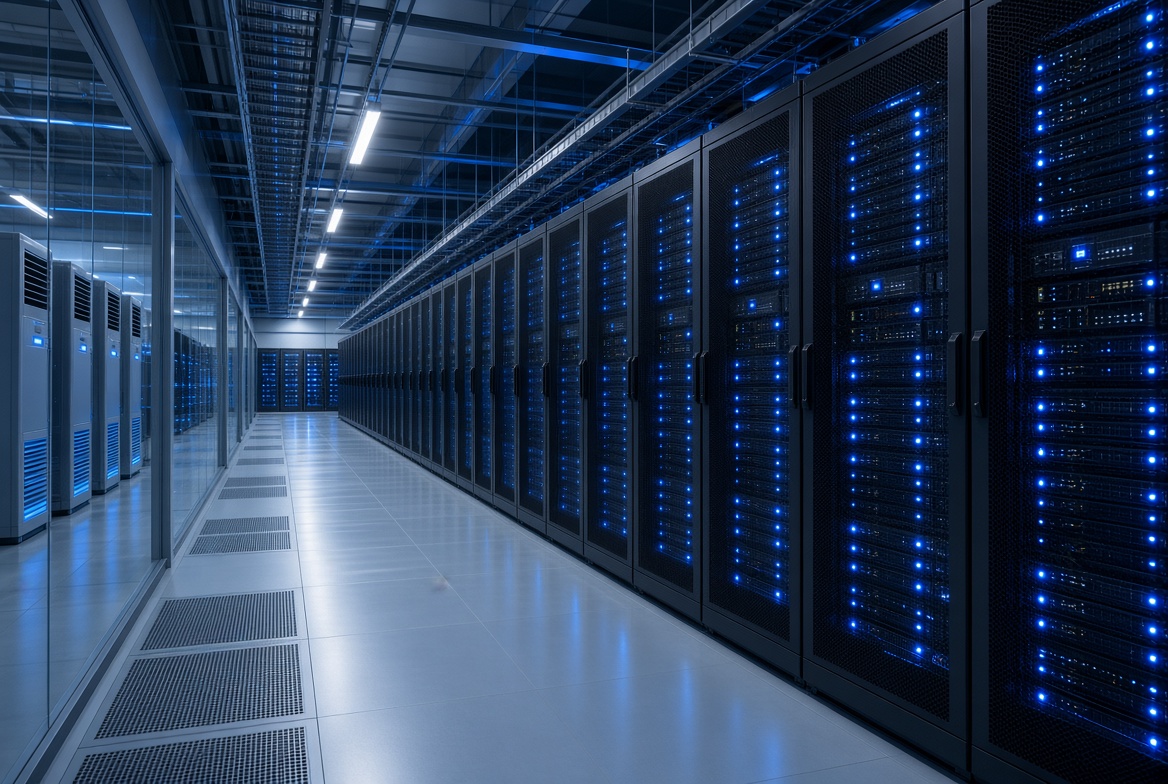
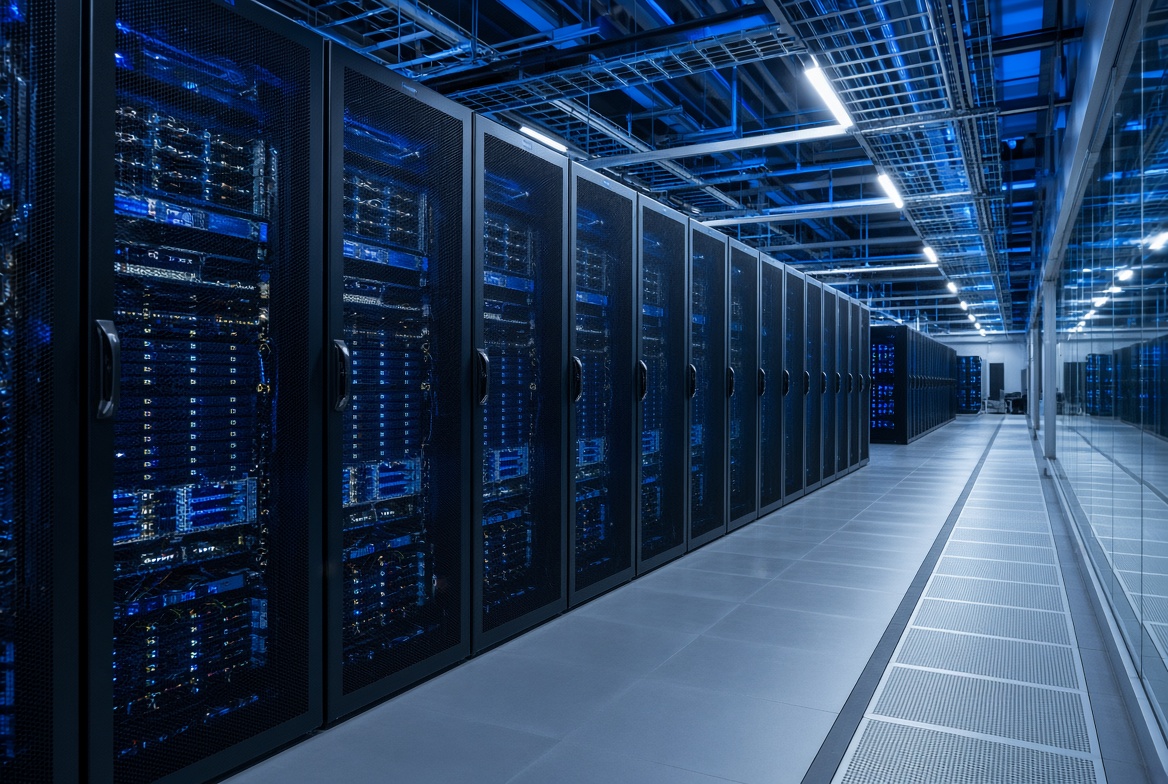
In a colocation data center you place your own servers in a ready-made environment. The building already has high-capacity power, precision cooling, and physical security. You pay for the space and the power you use, and you can add more racks as the workload grows.
For AI, the advantage is that the facility is already built for higher density. You do not have to wait for construction permits or install new chillers. Many teams start with a few racks for inference and later expand for training without changing location.
Facilities that already hold Tier IV certification and sit close to major internet exchanges in Jakarta tend to make stable connectivity easier to maintain when models need to pull or push large datasets.
Practical Considerations Before Moving
Check the power density the data center can support per rack. Ask how they cool high-density areas and whether liquid cooling is available if you need it later. Also look at the cross-connect options so your servers can reach other clouds or partners with low latency.
Disaster recovery is another point. Having a second site in a different city reduces the risk that a local event affects both production and backup. Many companies prefer colocation that also offers a disaster-recovery option in a different location so regional risks stay manageable.
When your workloads start moving toward AI or need higher power density per rack, a data center built for that load is simply more comfortable to run.
How Teams Usually Start
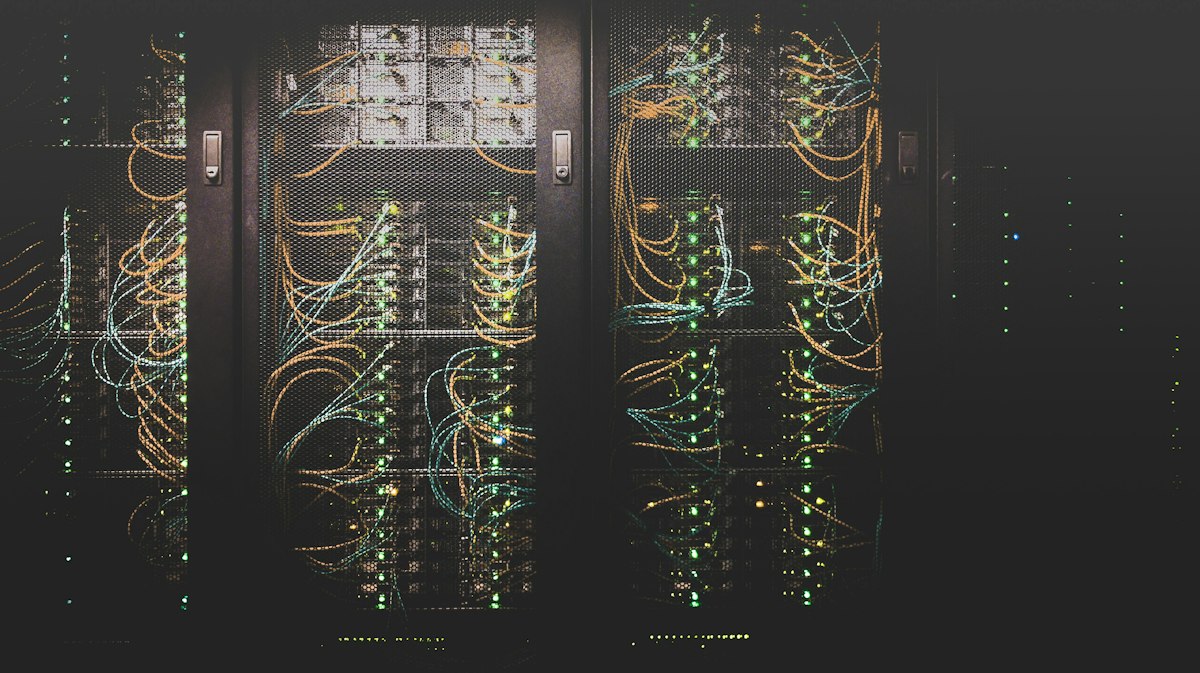
Most teams begin by moving the heaviest workloads first. They keep lighter applications in the cloud or on-premises and place the GPU servers in the colocation facility. Remote hands support helps when someone needs to swap a failed drive or check a cable without traveling to the site.
Over time, as more AI projects appear, additional racks are added. The cost stays proportional to the actual use instead of a large upfront construction bill. This flexibility is one reason many Indonesian companies choose this path while their AI efforts are still growing.
Colocation does not replace every need, but for organizations that want reliable power, cooling, and connectivity without building their own data center, it removes a major bottleneck. The servers can start working sooner, and the team can focus on the models instead of the building.