
If you walk into a data center today, the first thing you notice is usually the sound of the cooling system. Fans, chillers, and air flowing through the aisles. That system has always been important, but AI workloads are making it even more critical.
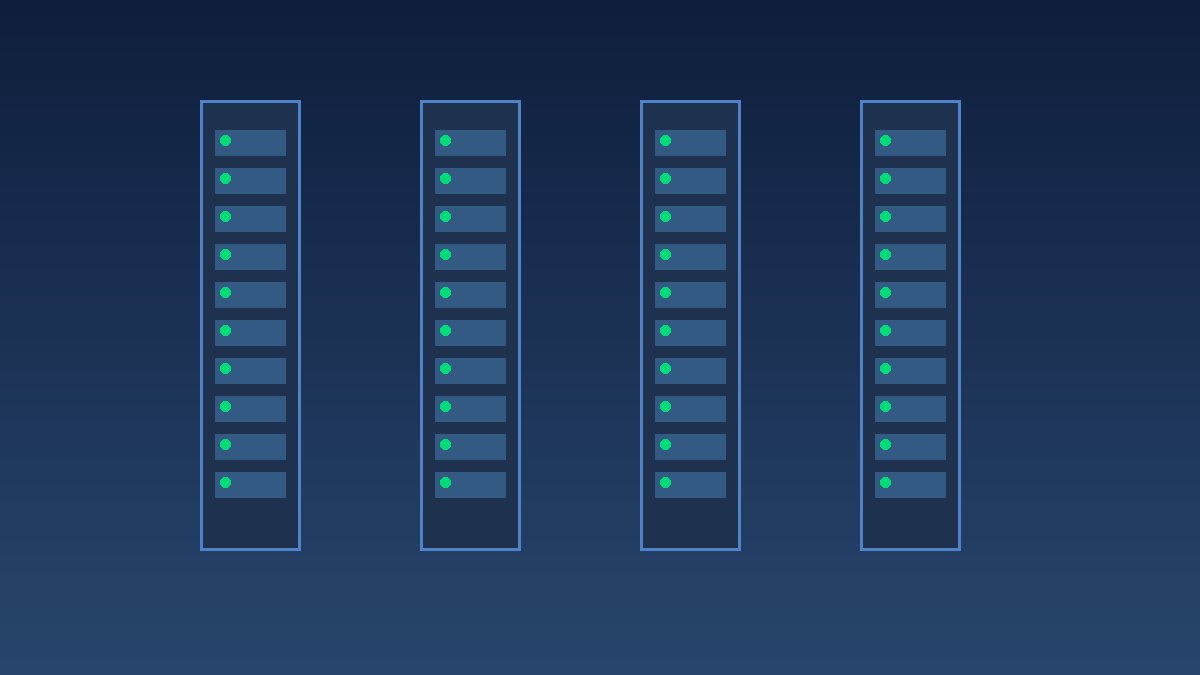
Traditional servers produce heat, but AI servers with GPUs produce a lot more. A single rack that used to need 5–8 kW can now demand 20–40 kW or more. The old way of cooling is starting to struggle.
Why Traditional Cooling Feels the Pressure
Most data centers still rely on air cooling. Cold air is pushed under the raised floor or through the aisles, and hot air is pulled out the back of the racks. It works well when the heat is moderate. When the heat density jumps, the air simply cannot carry the heat away fast enough.
You start seeing hot spots. Some racks run hotter than others even though the room temperature looks fine on the sensor. Operators end up raising the overall cooling capacity just to keep the hottest racks safe. That wastes energy and still does not always solve the problem.
Facilities that already hold Tier IV certification and sit close to major internet exchanges in Jakarta tend to make stable connectivity easier to maintain while they also upgrade cooling for higher density. The combination of reliable power and good connectivity gives teams more room to focus on the cooling side.
What Data Centers Are Changing
Many facilities are moving toward containment. Hot-aisle or cold-aisle containment keeps the hot and cold air from mixing. That simple change can improve efficiency a lot because the cooling system is no longer fighting itself.
Others are looking at liquid cooling. Direct-to-chip or rear-door heat exchangers take heat away with water or special fluid instead of only air. Liquid carries heat much better than air, so it can handle higher density without filling the whole room with more CRAC units.
Some operators start with hybrid approaches. They keep air cooling for regular racks and add liquid cooling only for the AI racks. That way they do not have to rebuild the entire cooling plant at once.
Practical Challenges Operators Face
Changing cooling is not just about buying new equipment. The floor has to support heavier racks if you move to liquid. Piping has to be installed carefully so leaks do not become a problem. Staff need training because the procedures are different.
Power is also linked. Higher density means more power per rack, and the cooling system itself uses power. If the electrical design was not planned for this, you can hit limits before the cooling does. Many teams discover they need to upgrade both at the same time.
When your workloads start moving toward AI or need higher power density per rack, a data center built for that load is simply more comfortable to run. You spend less time fighting temperature alarms and more time on the actual work.
What This Means for Choosing a Facility
If you are placing servers that will run AI or other high-density work, ask how the data center handles cooling today and what their plan is for the next two years. Look at whether they already have containment, whether liquid cooling is available, and how they monitor temperature at the rack level.
Also check redundancy. Cooling systems can fail. A facility with N+1 or better on the cooling side gives you more peace of mind. Many teams prefer colocation that also offers a disaster-recovery option in a different city so regional risks stay manageable.
The cooling system is no longer just a background utility. For AI workloads it is becoming one of the main factors that decide whether the infrastructure can keep up. Data centers that adapt early usually have an easier time supporting the next wave of servers.