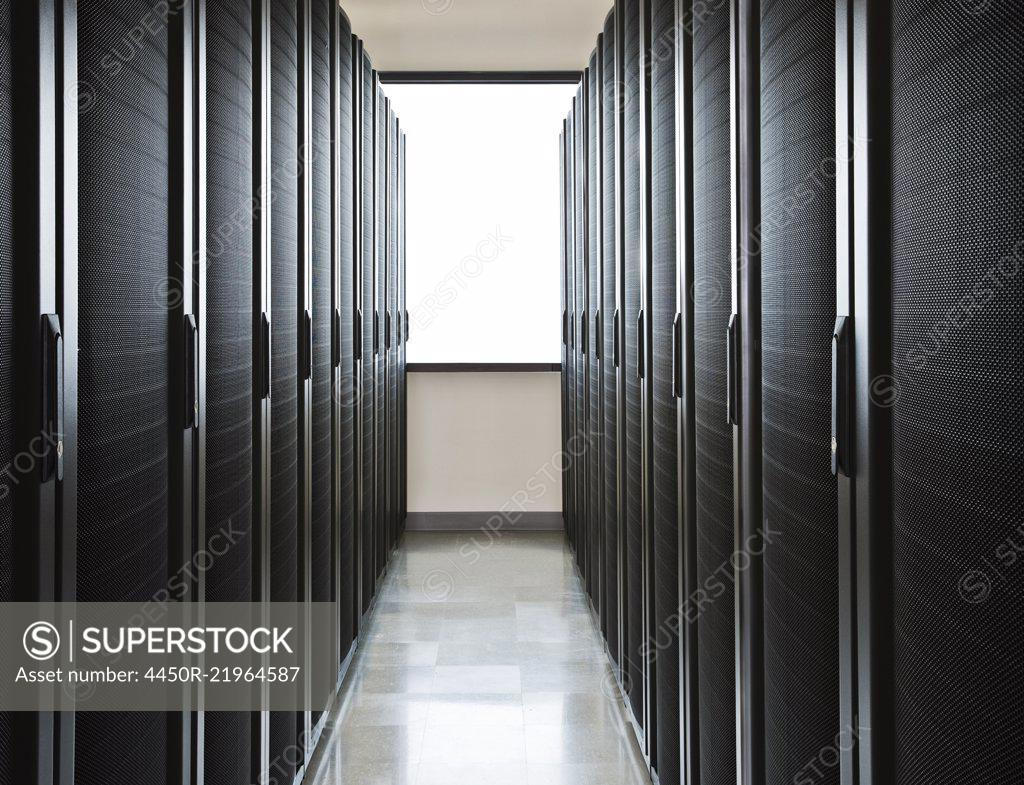
AI training and inference use GPUs that draw a lot of electricity and produce serious heat. A single high-density rack can need several times more power than a traditional server rack. That changes almost everything about how a data center is built and operated.
Cooling systems that used to be fine suddenly become bottlenecks. Power distribution has to be upgraded, and the floor has to support heavier equipment. Facilities that were designed for average IT loads start to feel tight once AI projects move in.
Power density is the new challenge
Traditional racks might draw 5–10 kW. AI racks can easily go 30 kW or more. That means the electrical system, cooling, and even the weight on the floor need to be planned differently from the start. Retrofitting an older hall is often more expensive than building for high density from day one.
Many operators now design new halls with higher power per rack and liquid cooling options so they can accept AI customers without major rebuilds later.
Cooling has to keep up
Air cooling starts to struggle above certain densities. Liquid cooling—whether direct-to-chip or rear-door heat exchangers—becomes more common. The facility also needs enough chilled water capacity and redundancy so a single chiller failure does not take down the AI cluster.
Facilities that already hold Tier IV certification and sit close to major internet exchanges in Jakarta tend to make stable connectivity easier to maintain while handling these denser loads.
What this means for colocation customers
If your team is testing AI or planning to run models in-house, ask the data center about maximum kW per rack, cooling method, and how quickly they can add capacity. A site that can only offer 8–10 kW per rack may force you to spread equipment across many racks, which complicates networking and management.
When your workloads start moving toward AI or need higher power density per rack, a data center built for that load is simply more comfortable to run. Many teams also look for a disaster-recovery option in a different city so regional risks stay manageable.
The practical takeaway is simple: check power and cooling limits early. It is much easier to choose the right facility before the AI project grows than to migrate later under pressure.