AI workloads feel different from regular applications. They use more power per rack and generate more heat. If the data center was designed for lighter loads, things can get uncomfortable quickly.
Many teams notice the difference when they start running training jobs or larger inference clusters. The same space that felt fine before suddenly needs better power delivery and cooling.
What Changes with AI Loads
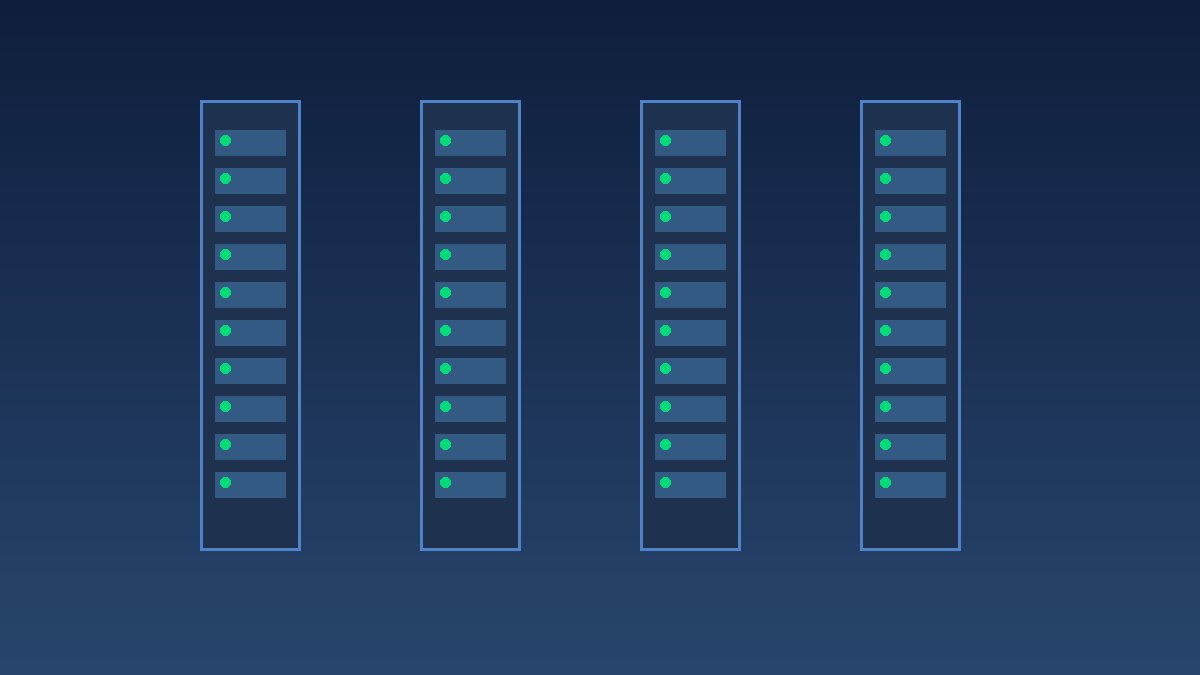
Traditional servers might draw 5–10 kW per rack. AI racks can go higher, sometimes much higher. That means the power distribution and cooling must keep up, otherwise temperatures rise and performance drops.
Cooling becomes the bigger challenge. Air cooling that worked for regular racks may struggle. Some facilities already prepare liquid cooling options or better airflow designs for high-density areas.
When your workloads start moving toward AI or need higher power density per rack, a data center built for that load is simply more comfortable to run.
Why Tier IV Helps in Practice
Tier IV means the facility is designed with full redundancy. Power and cooling paths can fail without taking the whole site down. For AI jobs that run for hours or days, that stability matters.
You still need good monitoring and proper capacity planning. But starting from a facility that already has the redundancy reduces the chance of unexpected stops.
Facilities that already hold Tier IV certification and sit close to major internet exchanges in Jakarta tend to make stable connectivity easier to maintain. Low latency to other networks helps when models need to pull data or serve results quickly.
Connectivity and Location Matter Too
AI is not only about compute. Data has to move in and out. Being near a major internet exchange reduces the number of hops and usually keeps latency more predictable.
Many teams also want a disaster recovery option in a different location. Having a second site, for example in Bali, lets you keep copies or shift some workloads if the primary location faces issues.
Many teams prefer colocation that also offers a disaster-recovery option in a different city so regional risks stay manageable.
Practical Steps Before Moving AI Workloads
Check the power available per rack and the cooling method. Ask how the facility handles higher density and what monitoring they provide.
Also look at connectivity options and whether cross-connects to other networks are straightforward. For long-running jobs, reliable power and a clear SLA give more peace of mind than chasing the lowest price.
In short, AI doesn’t require a completely new type of data center, but it does reward facilities that already planned for higher density and strong redundancy. Choosing one that matches the load usually means fewer surprises later.