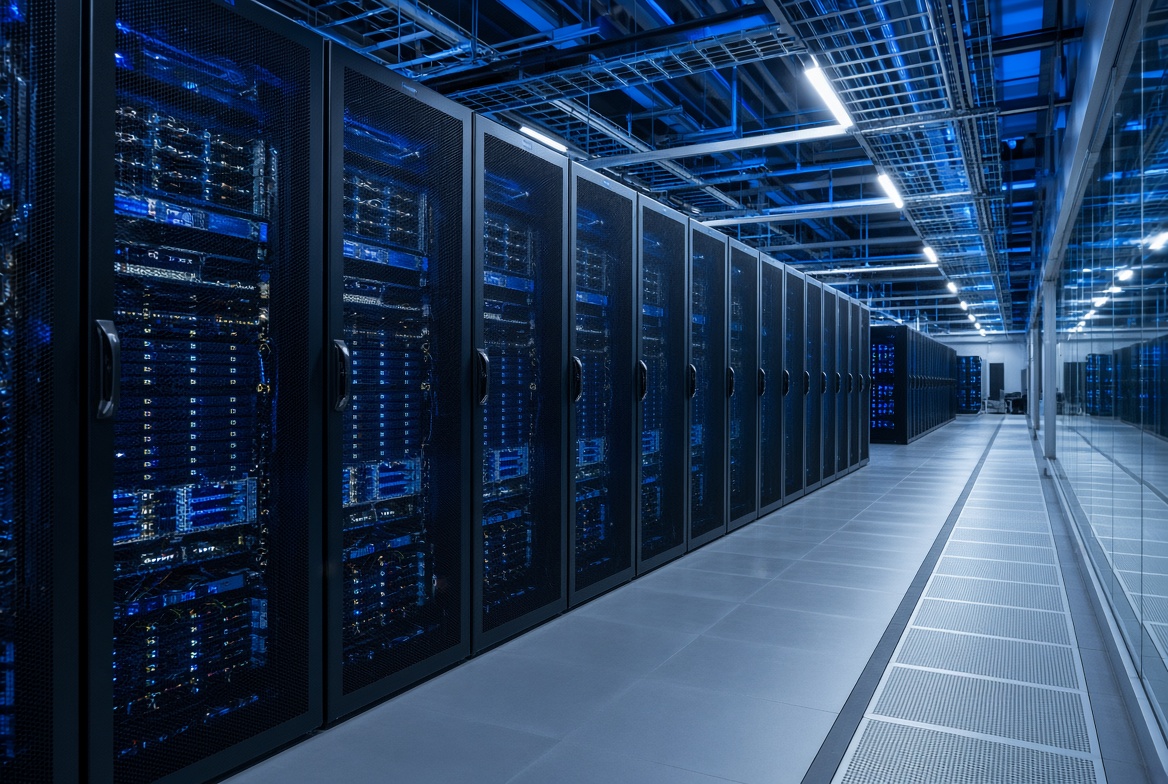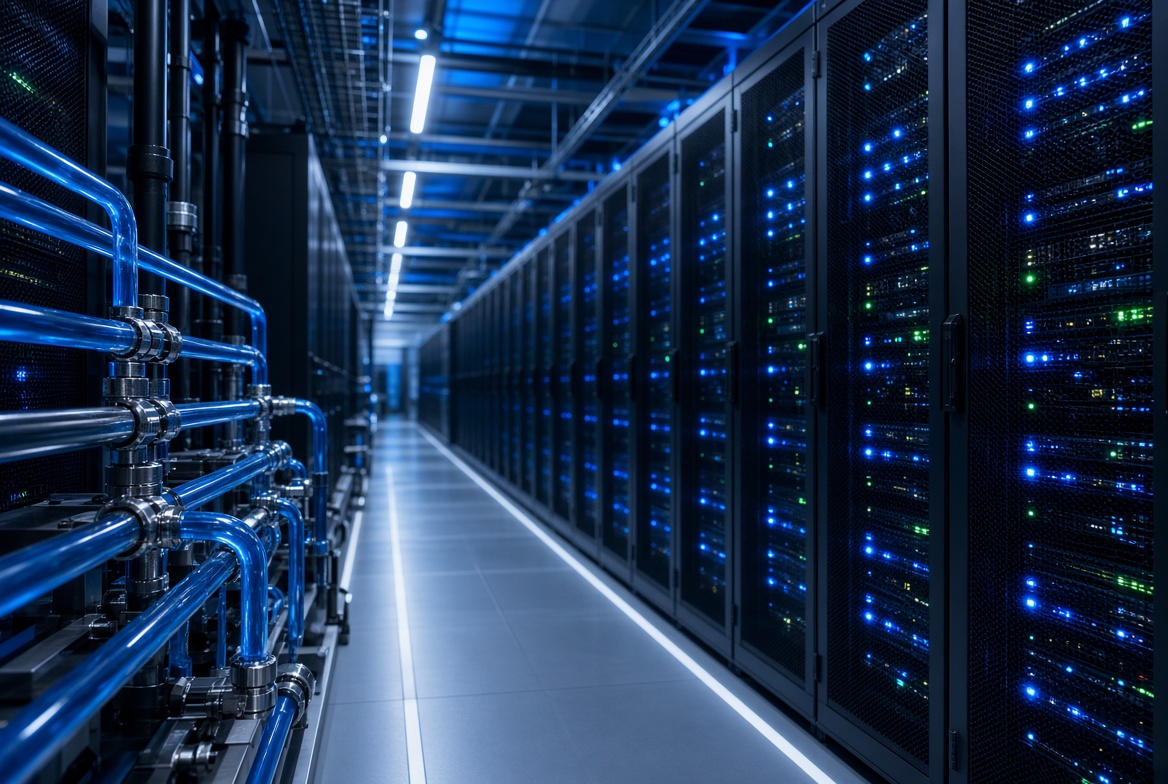
AI training and inference jobs are different from ordinary web or database workloads. They need high power density per rack and consistent cooling. If the power or cooling dips even briefly, the job can fail or slow down dramatically.
What makes AI workloads demanding
Modern AI servers, especially those with multiple GPUs, can draw several kilowatts per rack. That is much higher than traditional enterprise servers. The heat they produce also needs to be removed quickly, otherwise components throttle or shut down.
Many older data centers were designed for lower density. Their power distribution and cooling systems struggle when you fill racks with AI hardware. That is why facilities purpose-built or upgraded for high density become more attractive.
Why Tier IV helps
Tier IV means the facility is designed with full redundancy. Power paths, cooling, and network connections have backups so that a single failure does not take the site down. For AI jobs that run for hours or days, that kind of stability matters.
Uptime Institute Tier IV certification also signals that the design has been reviewed and that operational practices are expected to match the design. Teams that run AI workloads often prefer this level because the cost of an interrupted training run can be high.
Location and connectivity still matter
Even with good power and cooling, the data center needs solid connectivity. AI inference that serves users in Indonesia benefits from being close to major internet exchanges so latency stays low. Facilities near the main internet exchange points in Jakarta usually make that easier.
Facilities that already hold Tier IV certification and sit close to major internet exchanges in Jakarta tend to make stable connectivity easier to maintain. When your workloads start moving toward AI or need higher power density per rack, a data center built for that load is simply more comfortable to run.
Disaster recovery considerations
AI models and training data are valuable. Having a disaster recovery option in a different location reduces risk from regional issues such as flooding or power grid problems. Many teams prefer colocation that also offers a disaster-recovery option in a different city so regional risks stay manageable.
ISC facilities include Tier IV options and a disaster recovery site in Bali, which gives teams a practical way to spread risk without building everything themselves.
Practical steps before placing AI racks
Check the power density the facility can support per rack. Ask about cooling method and whether they have experience with high-density deployments. Confirm the redundancy level and look at the connectivity options to the exchanges you care about.
Starting with a smaller AI deployment and expanding once the environment proves stable is often safer than jumping straight into a large installation. The right data center makes that growth smoother.