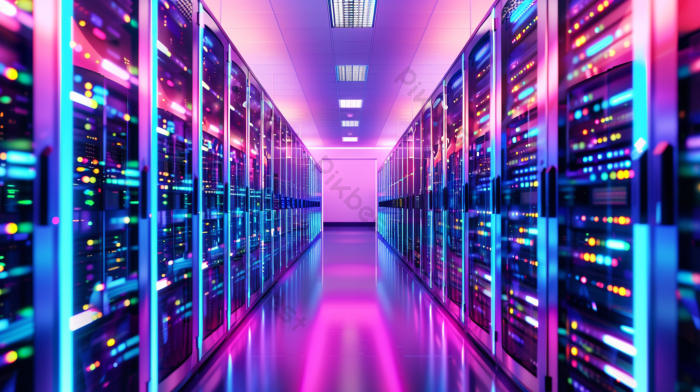
AI is not just another application running on the same servers. Training models or running inference at scale needs GPUs and specialized chips that pull a lot more electricity and throw off a lot more heat. Data centers that were designed for regular web servers or databases are starting to feel the difference.
Many facilities that ran smoothly for years now see racks that get hot faster, power circuits that trip more often, or cooling systems that struggle to keep up. The change is real and it affects how operators plan capacity.
Why Power Demand Jumps
A typical server rack used to draw somewhere between 5 and 10 kilowatts. AI racks can easily go 30, 50, or even higher kilowatts per rack. That is several times more. The electrical design that was enough before suddenly looks tight.
If the power distribution was sized for lower loads, you either have to limit how many AI servers you put in one rack or upgrade the whole path from the utility to the rack. Upgrading later is usually more expensive and disruptive than planning for it from the start.
Facilities that already hold Tier IV certification and sit close to major internet exchanges in Jakarta tend to make stable connectivity easier to maintain while also having the power headroom many AI workloads need.
Cooling Becomes the Harder Problem
More power means more heat. Traditional air cooling with raised floors and computer room air conditioners can handle normal loads, but high-density AI racks often overwhelm them. Hot spots appear, and servers start throttling or shutting down to protect themselves.
Operators are looking at liquid cooling, rear-door heat exchangers, or even immersion in some cases. These approaches move heat more efficiently, but they also need different infrastructure: plumbing, leak detection, and sometimes different rack designs. Not every older hall can accept them without major work.
When your workloads start moving toward AI or need higher power density per rack, a data center built for that load is simply more comfortable to run.
What Operators Are Doing
Some are carving out specific zones inside existing halls for high-density racks and treating them differently. Others are building new halls with higher power and better cooling from day one. A few are mixing both: keep regular workloads on air cooling and move AI to liquid-cooled areas.
Monitoring also becomes more important. You need to see power draw and temperature at the rack level in real time, not just the room average. If one rack starts climbing, you want to know before it affects neighbors.
Many teams prefer colocation that also offers a disaster-recovery option in a different city so regional risks stay manageable, especially when AI training jobs can run for days or weeks.
Planning Ahead
If you are still early in adopting AI, it is worth asking your data center partner what their maximum power per rack is and what cooling options they already support or can add. Waiting until the first AI cluster is ready and then discovering the hall cannot take it creates delays.
It also helps to think about the rest of the chain. More power at the rack means more power at the building level. Cooling upgrades may need extra water or electrical capacity too. These things take time to arrange.
Conclusion
AI is pushing data centers to handle higher power and denser heat than most of them were originally built for. Facilities that already planned for higher density or can adapt more easily will feel the change less. For everyone else, the conversation about power and cooling is becoming part of normal capacity planning rather than a special project.
The practical step is to check current limits early and talk with operators who already run mixed or high-density environments. That usually saves more time than trying to force AI servers into halls that were never meant for them.