If your team is starting to run AI models or machine learning jobs, you will quickly notice that ordinary server racks start to feel cramped. A single GPU server can pull several kilowatts and push out a lot of heat. When you put a few of them together, the power and cooling that used to be fine suddenly become the bottleneck.
High-density racks simply mean you can pack more computing power into each cabinet without the facility struggling. It is not about showing off. It is about whether the power distribution, cooling, and floor space can keep up when the workload grows.
What high density actually looks like in practice
In a traditional rack you might see 5–10 kW. For AI, people are already talking about 20 kW, 40 kW, or even higher per rack. That changes everything. The power cables get thicker, the cooling has to move more air or use liquid, and the hot aisle becomes much hotter.
If the data center was designed only for regular enterprise servers, the first sign of trouble is usually that you cannot add more machines even though there is still empty space. The breakers trip, the temperature rises, or the cooling units run at full speed all the time.
Cooling becomes the real limit
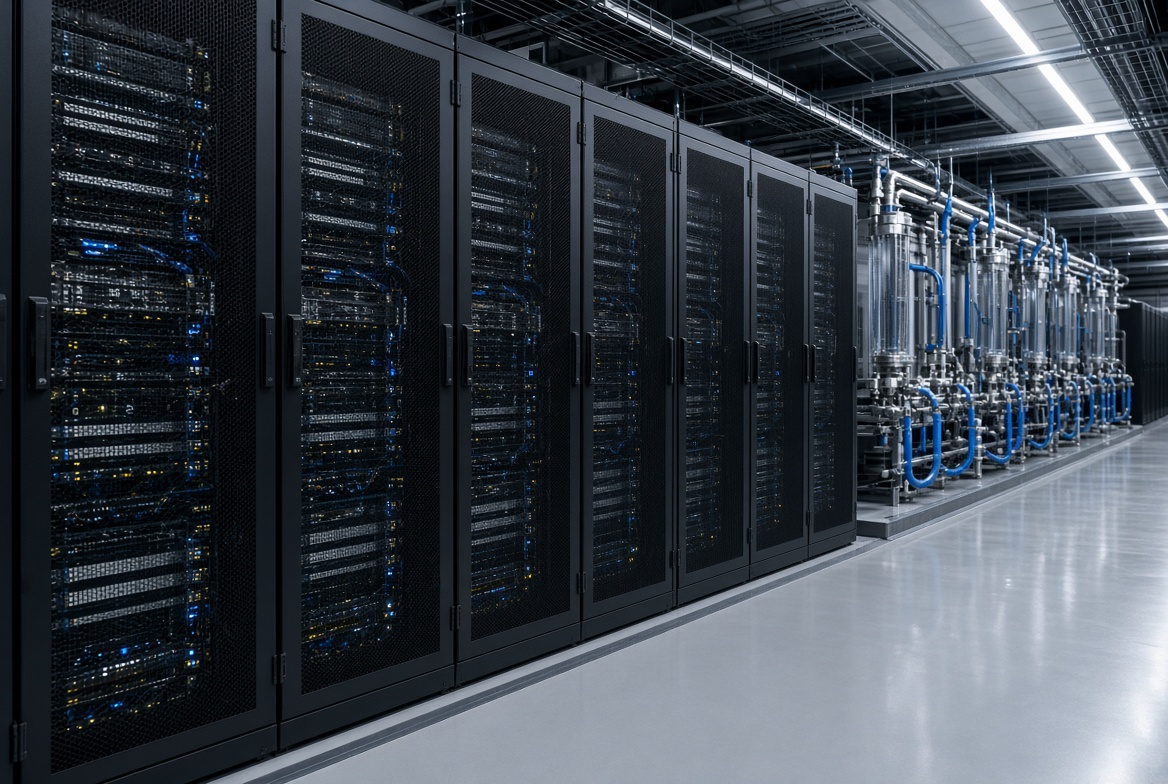
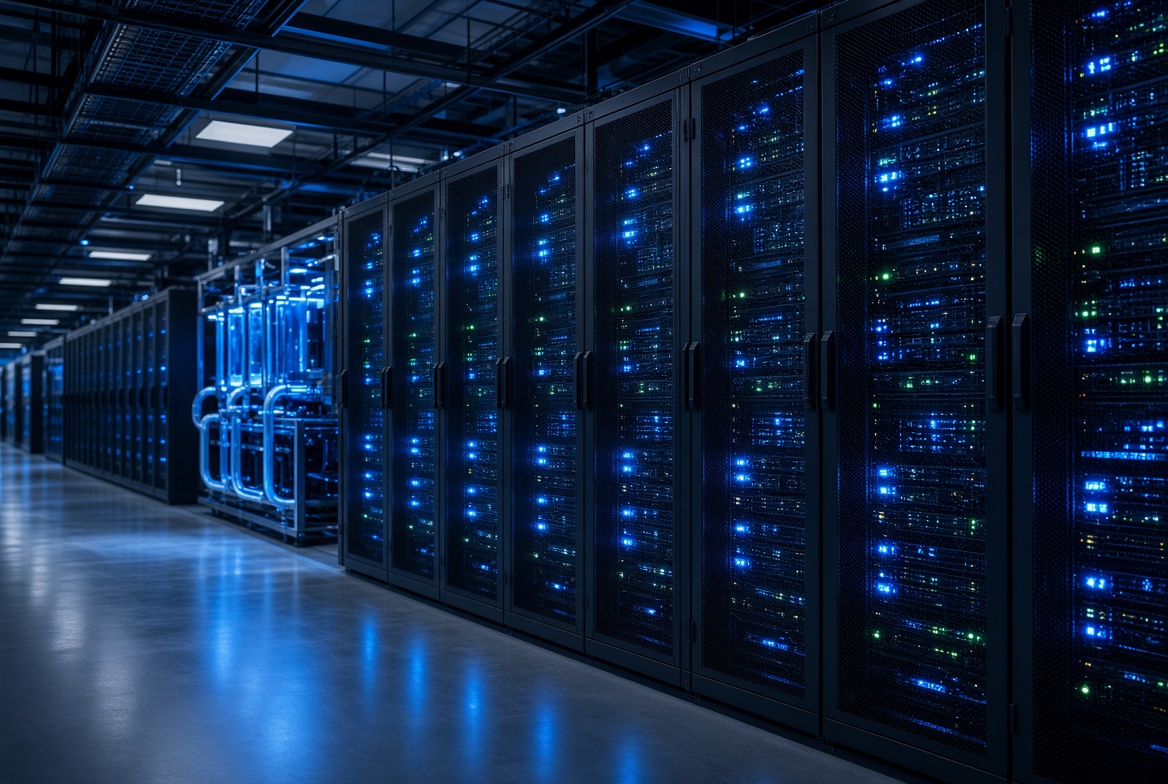
Air cooling still works for many high-density setups, but the airflow has to be carefully managed. Cold aisle containment, proper blanking panels, and good hot-aisle return paths make a big difference. Some facilities are already mixing in liquid cooling for the hottest racks so the rest of the hall stays comfortable.
The point is not that every rack needs liquid cooling tomorrow. The point is that the facility should already have a path to handle higher density without a full redesign. Otherwise you end up moving equipment around or limiting how many AI servers you can actually turn on.
Power and redundancy also change
Higher density means higher power demand per square meter. The electrical design has to support that without becoming a single point of failure. Many teams prefer facilities that already have dual power feeds and enough capacity on both A and B sides so one failure does not take the whole rack offline.
Facilities that already hold Tier IV certification and sit close to major internet exchanges in Jakarta tend to make stable connectivity and power easier to maintain even when the load per rack rises. When your workloads start moving toward AI or need higher power density, a data center built for that load is simply more comfortable to run.
Planning ahead saves headaches later
It is easier to choose a facility that can grow with you than to move later. Ask about the maximum power per rack, how cooling is designed for higher density, and whether liquid cooling is already possible or can be added. Also check whether remote hands can help if you need to add or replace hardware quickly.
Many companies also like having a disaster-recovery option in a different city so regional risks stay manageable while the primary site handles the dense AI workloads. That combination usually feels more practical than trying to do everything in one location.
In short, high-density racks are less about the racks themselves and more about whether the whole facility can support the power and heat that AI brings. Choosing a place that is already prepared for that usually means fewer surprises when the next model or the next batch of GPUs arrives.