AI workloads have changed what many data centers need to handle. A few years ago most racks used a modest amount of power. Now some AI training or inference setups can draw several times more per rack. That extra power also means extra heat that has to go somewhere.
Facilities that were designed mainly for traditional servers sometimes feel the strain. Cooling systems that worked fine before start running closer to their limits. Power distribution may need upgrades so it can support the higher draw without issues.
Why Power Density Matters More Now
Traditional enterprise servers might sit around 5–10 kW per rack. Some AI GPU clusters go well beyond that, sometimes 20–40 kW or more depending on the setup. The power has to arrive cleanly and stay available even during maintenance or grid events.
Redundant power paths, generators, and UPS systems become more important because a short interruption can waste hours or days of training work. Teams also watch power quality more closely. Voltage fluctuations that were tolerable before can cause problems for sensitive accelerators.
Many operators now plan new halls or renovations with higher density in mind from the start. Existing halls often get selective upgrades for the racks that will carry the heavier loads.
Cooling Approaches That Keep Up
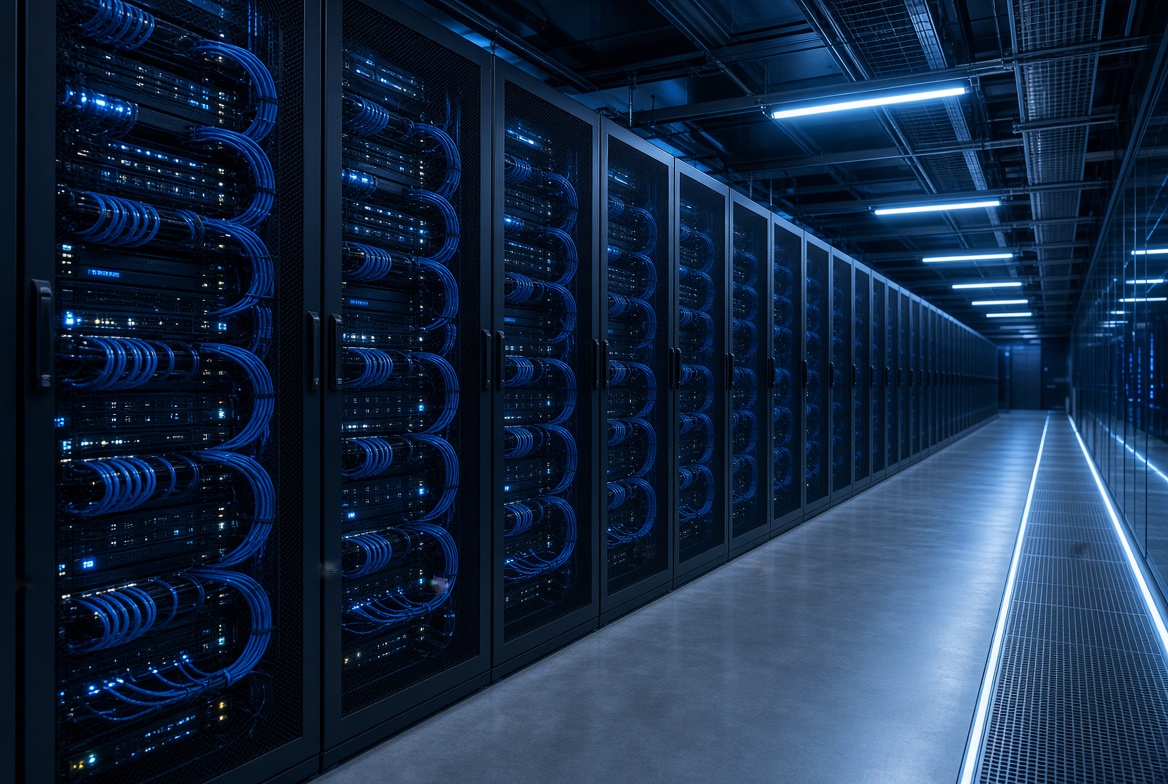
Air cooling still works for many setups, but the airflow and temperature targets have to be tighter. Hot and cold aisle containment becomes almost standard so the cooling is not fighting itself. Some sites add more CRAC or CRAH units, or raise the chilled-water capacity.
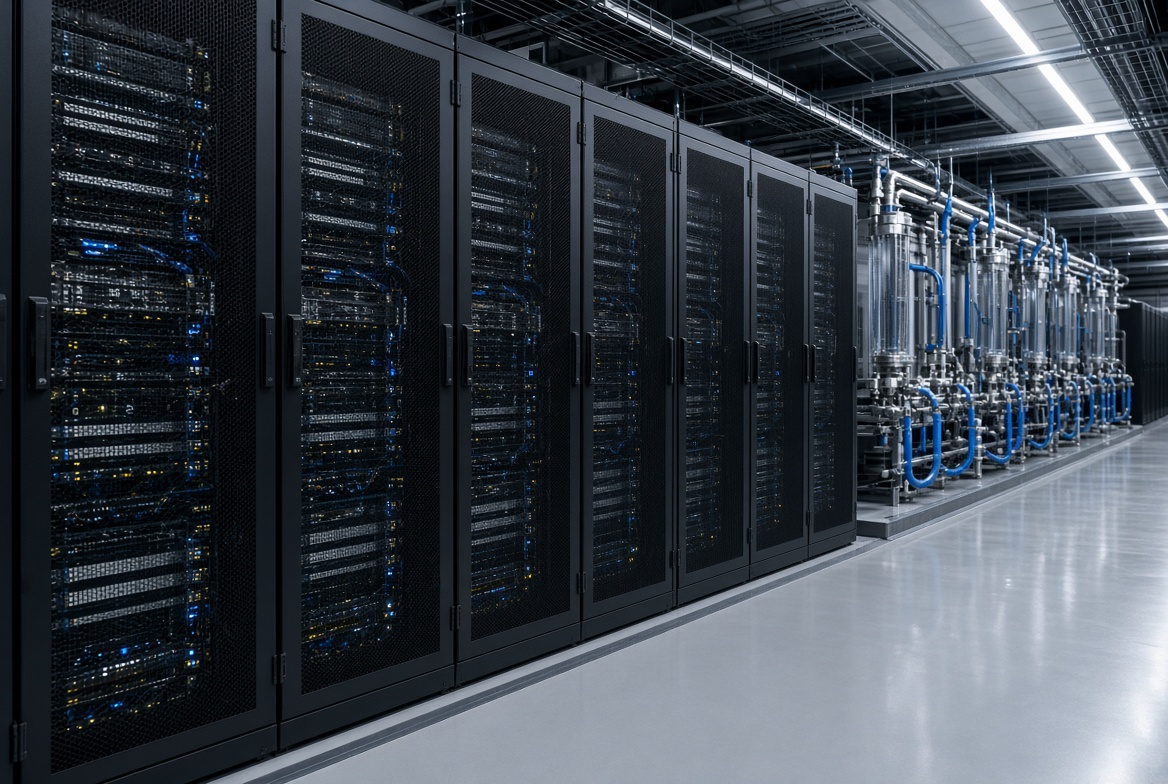
Liquid cooling is gaining attention for the densest racks. Direct-to-chip or rear-door heat exchangers can remove heat more efficiently than air alone. The trade-off is added complexity: plumbing, leak detection, and staff who know how to work with the systems.
Whatever the method, the goal is the same. Keep the equipment within its operating range so it does not throttle or fail early. Monitoring inlet temperatures and airflow has become a daily task rather than an occasional check.
What Operators Usually Change First
The first step is usually measurement. Operators install more sensors on power circuits and in the aisles so they can see real consumption and temperatures instead of estimates. That data shows which racks are already close to limits and which have room.
Next comes selective reinforcement. Some add busway or higher-capacity PDUs only in the areas planned for AI. Others upgrade the cooling loop for one hall while leaving the rest as-is. Spreading the load across more racks is another common tactic when density per rack is hard to raise quickly.
Staff training follows. Technicians need to know how to handle higher power safely and how to respond if a cooling unit struggles. Clear procedures for adding or removing dense equipment help avoid surprises.
Location and Connectivity Still Count
Power and cooling are only part of the picture. AI workloads often need strong, low-latency links to other systems or to users. A facility that sits near major internet exchanges can reduce the number of hops and the chance of congestion.
Facilities that already hold Tier IV certification and sit close to major internet exchanges in Jakarta tend to make stable connectivity easier to maintain while handling the higher power demands of AI. Many teams also look for a disaster-recovery option in a different location so that regional events do not stop everything.
Planning Ahead Reduces Surprises
The operators who manage the transition more smoothly usually start the conversation early. They estimate the power and cooling headroom they will need in the next one to two years, then work backward to see what must change. Waiting until the first dense racks arrive often leads to rushed upgrades and temporary workarounds.
When your workloads start moving toward AI or need higher power density per rack, a data center built for that load is simply more comfortable to run. The same preparation also helps with ordinary growth, because the facility has more margin for unexpected spikes.
Keeping records of power use, cooling performance, and any changes makes later audits or expansions easier. It also helps when explaining capacity plans to business stakeholders who want to know whether the infrastructure can support the next project.