Not long ago, a typical rack in a data center carried a few kilowatts. Now many facilities are designing for 15–30 kW or more per rack. The reason is simple: AI training, denser servers, and the desire to keep floor space efficient.
What “High-Density” Actually Means
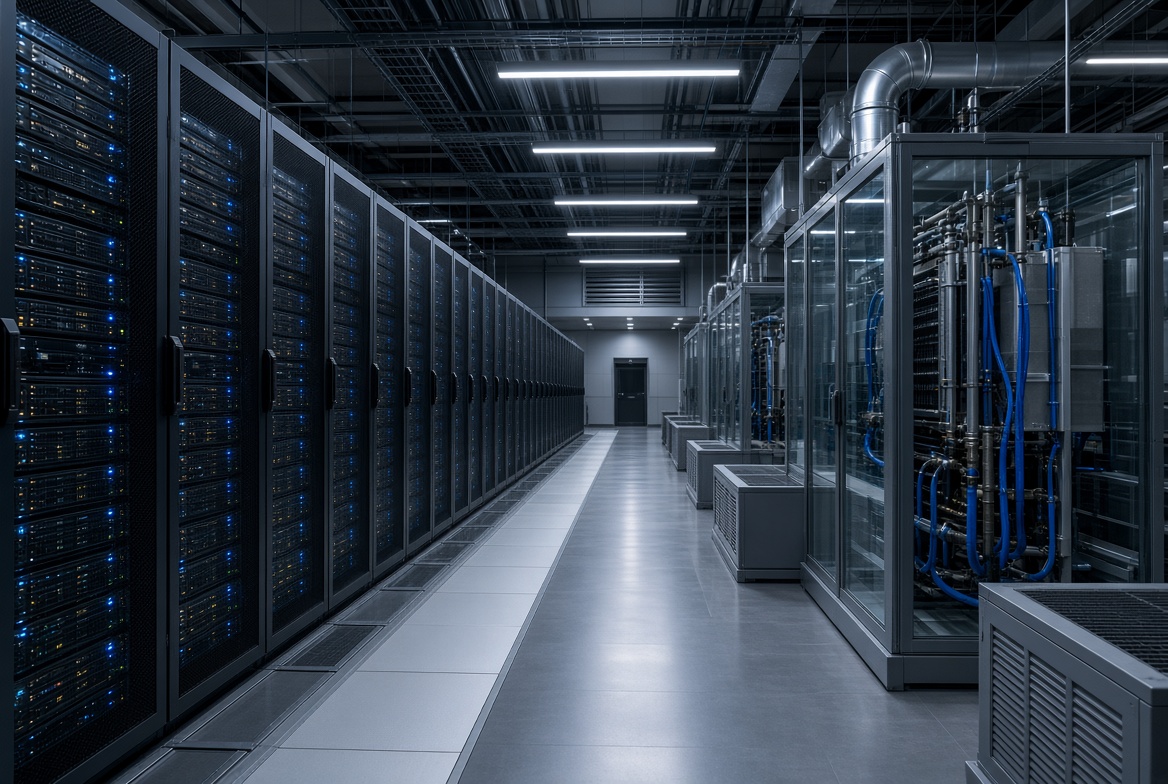
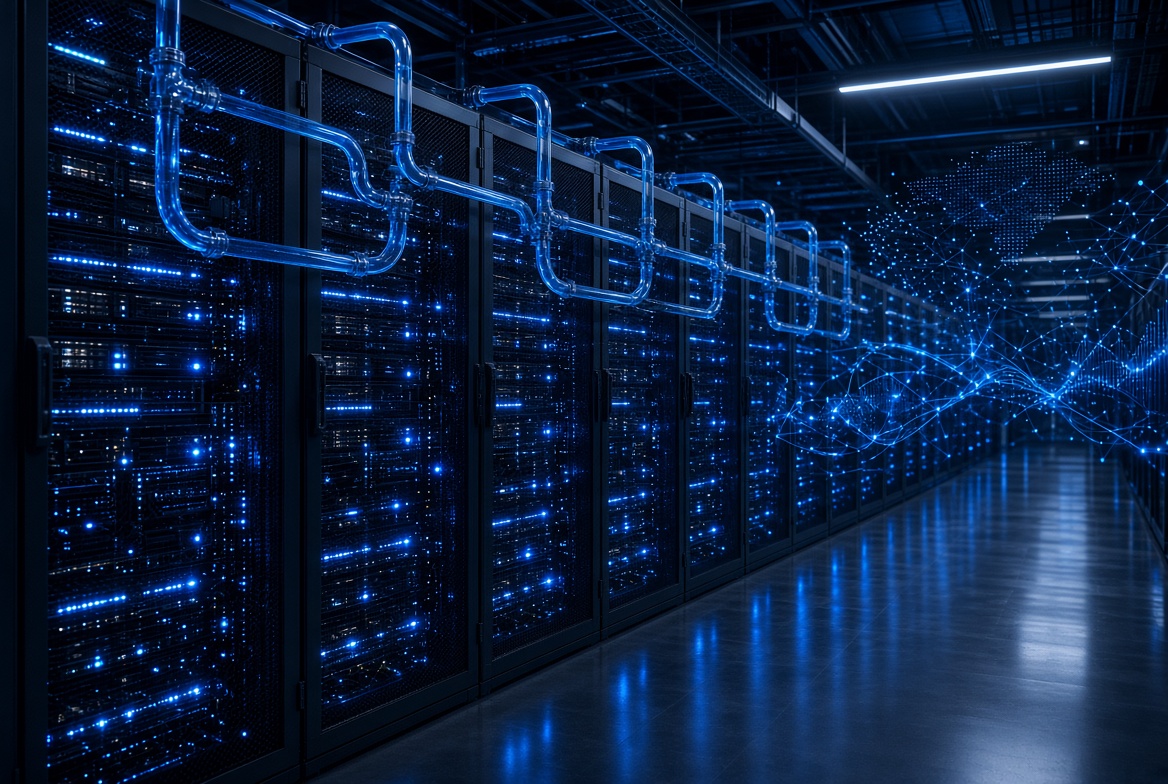
High-density does not only mean stacking more servers. It means the rack and the room around it can handle higher power and remove more heat without hot spots. Cooling becomes the real challenge. Traditional raised-floor air cooling often struggles past a certain point, so many operators add in-row cooling, rear-door heat exchangers, or even liquid cooling options.
For example, a single GPU server can draw more power than an entire older rack. If you place several of them together, the heat load rises quickly. Facilities that planned for this from the start usually face fewer surprises later.
Why Operators Are Moving This Way
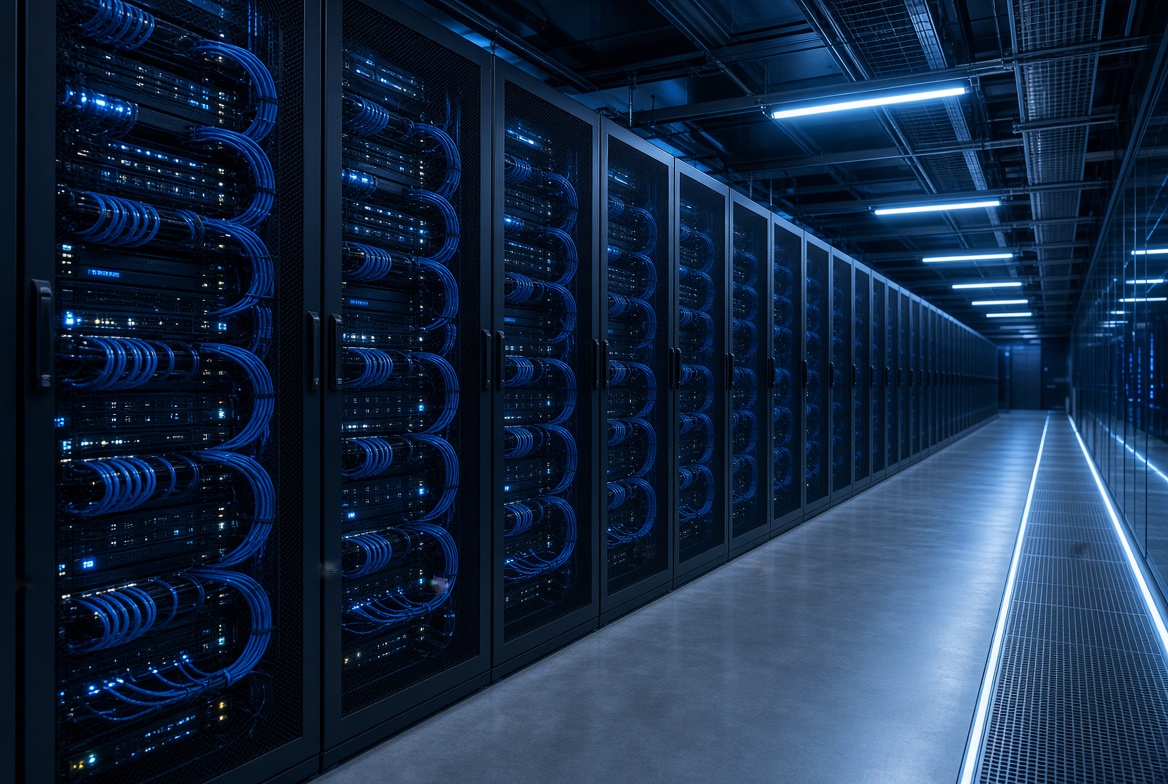
Space is expensive, especially in well-connected locations. Packing more compute into the same square meter improves the economics. It also shortens cable runs and can lower latency for certain workloads. At the same time, power infrastructure must be upgraded—more capacity in the UPS, better distribution, and careful monitoring of every circuit.
Reliability still matters. A high-density rack that overheats or loses power affects more compute at once. That is why facilities with strong redundancy (multiple power paths, concurrent maintainability) tend to be preferred when density goes up.
Practical Considerations for Colocation Users
If you are placing equipment in a colocation facility, ask about the maximum power per rack, the cooling method, and how quickly they can add capacity. Some sites still limit you to lower density because their infrastructure was built years ago. Others have already prepared higher-density zones.
Facilities that already hold Tier IV certification and sit close to major internet exchanges in Jakarta tend to make stable connectivity easier to maintain even when your racks draw more power. Many teams also look for a disaster-recovery option in a different city so regional risks stay manageable.
Looking Ahead
High-density is no longer an edge case. As more organizations run AI or simply need more compute without renting extra floor space, the expectation for racks and cooling will keep rising. Choosing a facility that already supports higher density usually means fewer retrofits later and more predictable operations day to day.