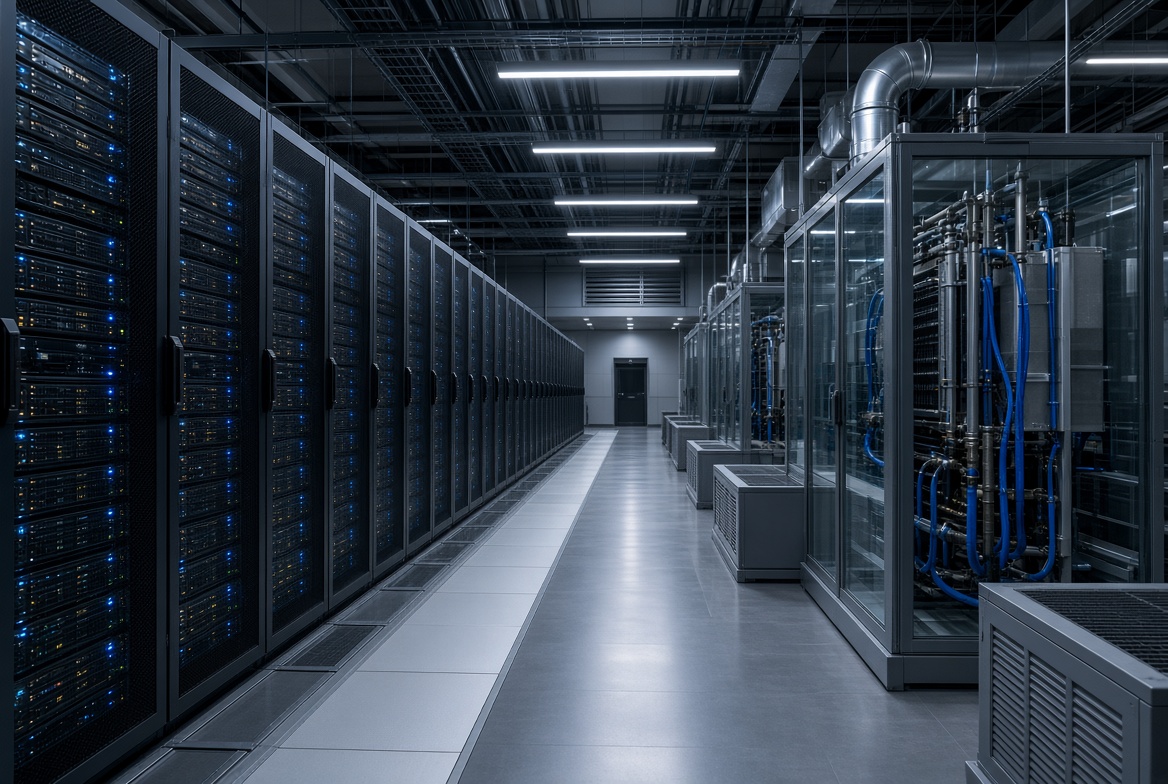
If you look at a typical server rack a few years ago, it used a certain amount of power and produced manageable heat. AI workloads change that picture. Training models or running inference needs GPUs that consume far more electricity and generate more heat in the same space.
Why power density rises
A standard rack might draw 5 to 10 kilowatts. An AI rack with multiple GPUs can easily reach 30, 50, or more kilowatts. The power distribution units, the floor load, and the electrical design all need to handle that.
Many older data centers were built for lower density. When you try to put high-power equipment in them, you hit limits on the circuit breakers or the cooling capacity. That is why new facilities or retrofits focus on higher power per rack from the start.
Cooling becomes the bigger challenge
More power means more heat. Traditional air cooling with raised floors and CRAC units starts to struggle when racks pull that much energy. Hot spots appear, and the cooling system has to work harder, which itself uses more electricity.
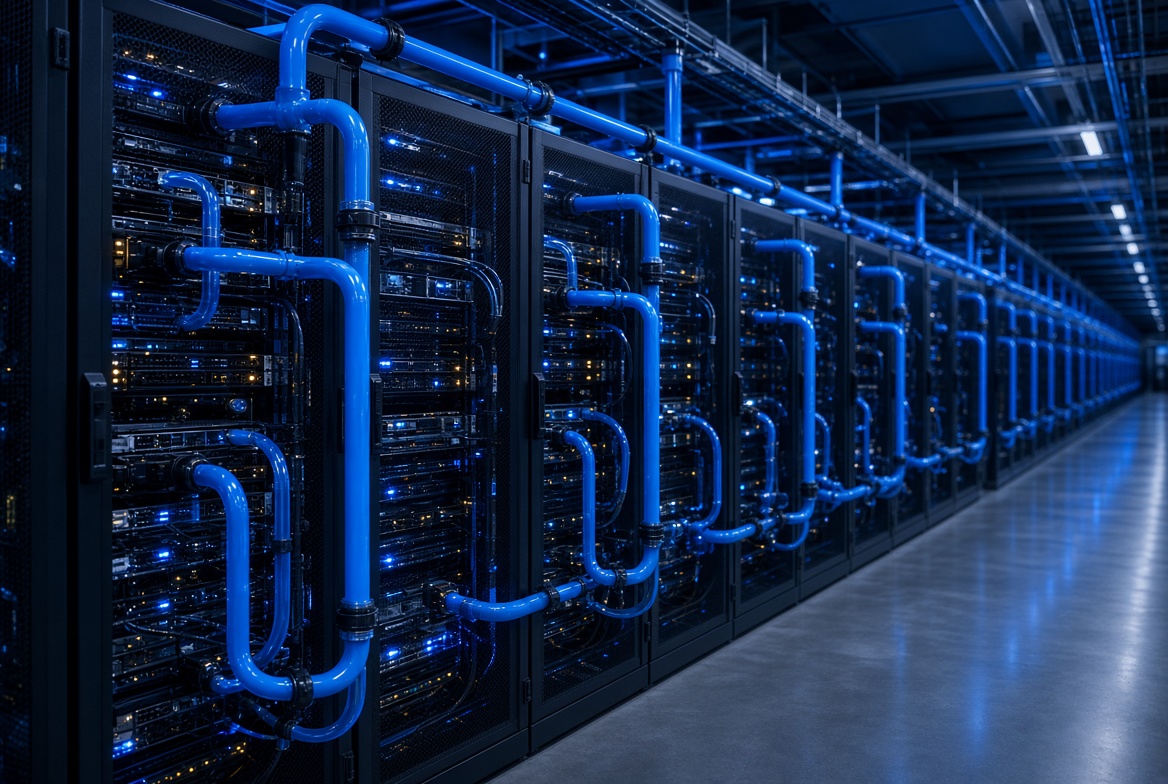
Many operators now look at liquid cooling, rear-door heat exchangers, or direct-to-chip cooling for AI racks. These methods move heat away more efficiently so the room temperature stays stable. Without proper cooling, the servers throttle or shut down to protect themselves.
What this means for reliability
High-density racks also affect redundancy. If one cooling unit fails, the temperature can rise quickly. Facilities that already plan for concurrent maintainability or fault tolerance handle these situations better.
Facilities that already hold Tier IV certification and sit close to major internet exchanges in Jakarta tend to make stable connectivity easier to maintain while supporting the higher power needs. When your workloads start moving toward AI or need higher power density per rack, a data center built for that load is simply more comfortable to run.
Planning ahead
Companies that expect to run AI models usually talk to their colocation provider early. They ask about available power per rack, the cooling method, and how quickly capacity can be added. Waiting until the equipment arrives often means delays.
Many teams prefer colocation that also offers a disaster-recovery option in a different city so regional risks stay manageable while they scale AI capacity. The shift is already happening. Data centers that can deliver both the power and the cooling without compromising uptime are the ones operators look for when AI projects grow.