AI is no longer just a buzzword. Companies in Indonesia are starting to run real workloads that need serious computing power. That changes what a data center has to deliver every day.
Ordinary server rooms that worked fine for regular applications start to struggle when you add GPU servers. Power draw goes up, heat goes up, and simple air cooling is often not enough.
What AI Workloads Actually Need
AI training and inference use GPUs that pull a lot of electricity and produce a lot of heat. A single high-density rack can need 20–40 kW or more. Traditional data centers were designed for 5–10 kW per rack.
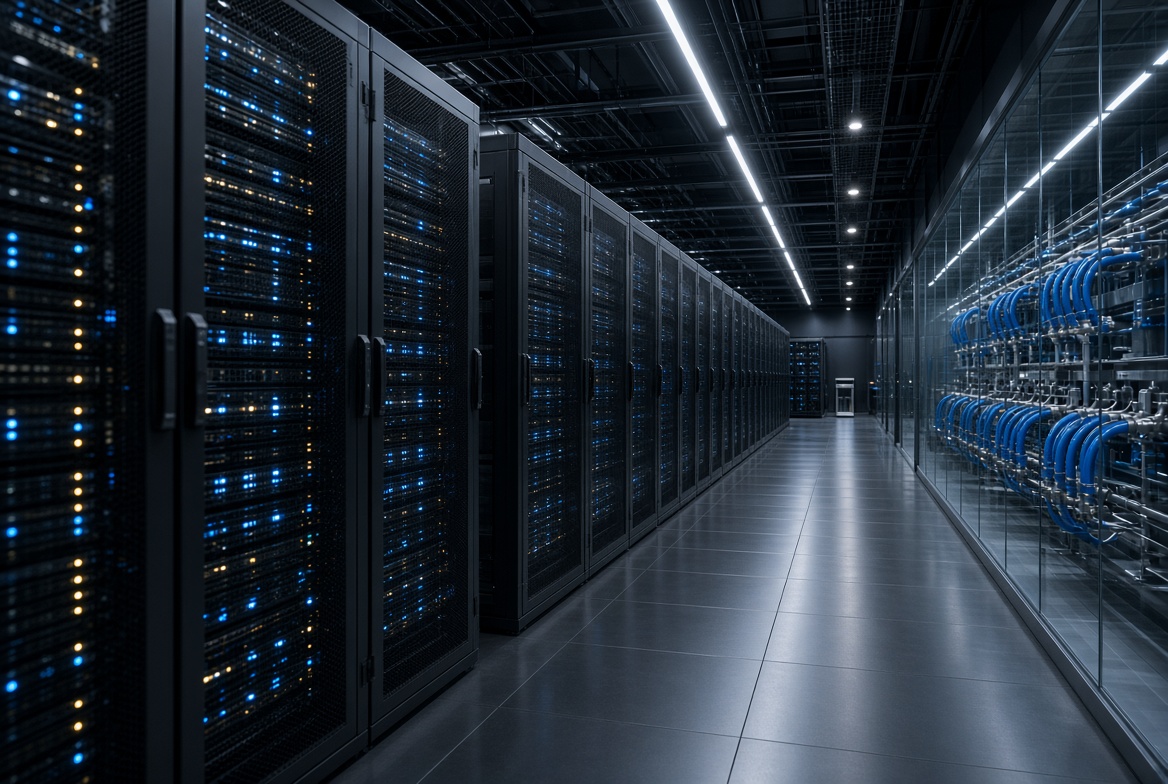
Cooling becomes the next bottleneck. Hot air that used to be manageable now creates hot spots. Liquid cooling or rear-door heat exchangers start to make more sense.
Power redundancy also matters more. If the power flickers during a long training job, you can lose hours of work. Facilities with better UPS and generator setups reduce that risk.
Why Location and Connectivity Still Matter
Even with powerful servers, data has to move in and out. Training data and inference results need reliable, low-latency connections.
Being close to major internet exchanges in Jakarta helps keep that traffic local and fast. When your AI models talk to users or other systems in Indonesia, every millisecond counts for a good experience.
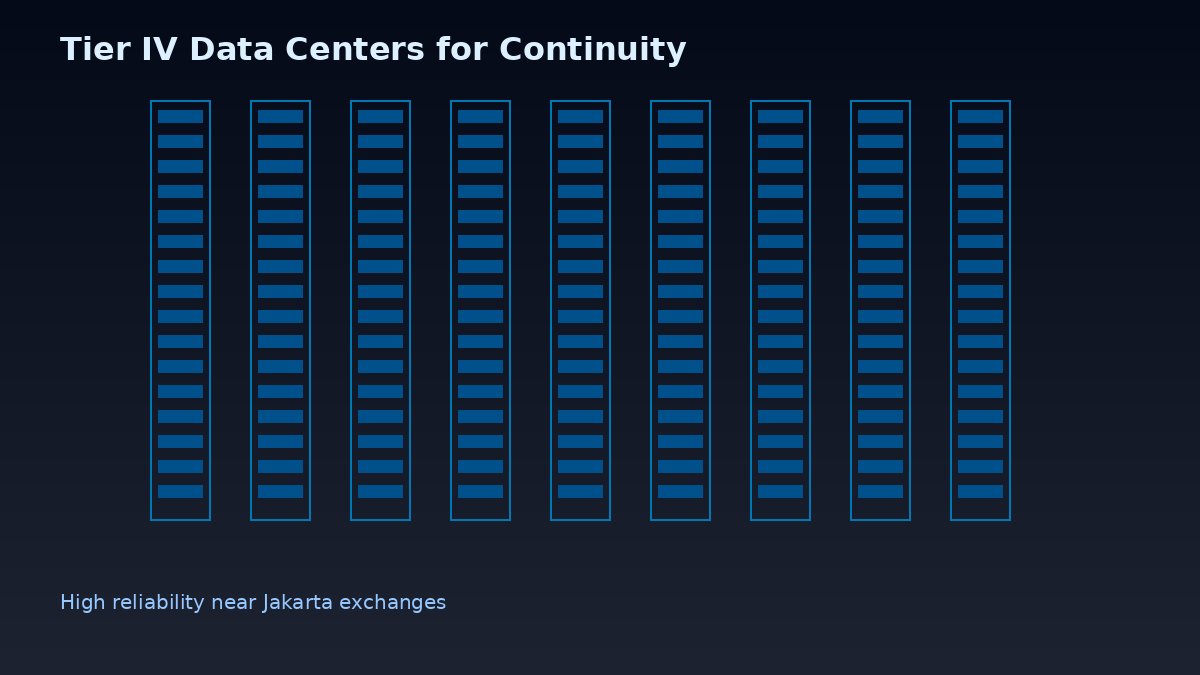
Facilities that already hold Tier IV certification and sit close to major internet exchanges in Jakarta tend to make stable connectivity easier to maintain.
Practical Signs Your Current Setup Is Not Ready
If your racks are already warm to the touch or the cooling units run at full speed all the time, that is a warning. Power bills that jump sharply after adding a few GPU servers are another clear sign.
Teams also notice when jobs take longer than expected or when they have to throttle workloads just to stay within power limits. That slows down projects.
When your workloads start moving toward AI or need higher power density per rack, a data center built for that load is simply more comfortable to run.
Planning the Move or the Upgrade
You do not always need to build a new facility. Many companies start by moving the heaviest AI racks into a colocation space that already has the power and cooling capacity.
Check the power available per rack, the cooling method, and whether the provider can support liquid cooling if you need it later. Also ask about remote hands support so your team does not have to visit every time something small needs attention.
Many teams prefer colocation that also offers a disaster-recovery option in a different city so regional risks stay manageable. Having a DRC in Bali, for example, gives a practical backup location outside the main Jakarta area.
With the right facility, AI projects can focus on the models and the results instead of worrying whether the servers will overheat or lose power in the middle of a run.