If your team is starting to run AI models or process large datasets, the servers no longer behave like ordinary web servers. They pull more power, generate more heat, and need denser packing to stay efficient. That is why high-density racks are moving from special projects into everyday design for many data centers.
A few years ago, a typical rack might draw 5 to 10 kilowatts. Now, racks supporting GPU clusters can go well above 20 or even 30 kilowatts. The cooling and power systems have to keep up, or the equipment simply throttles or shuts down.
What Changes with Higher Density
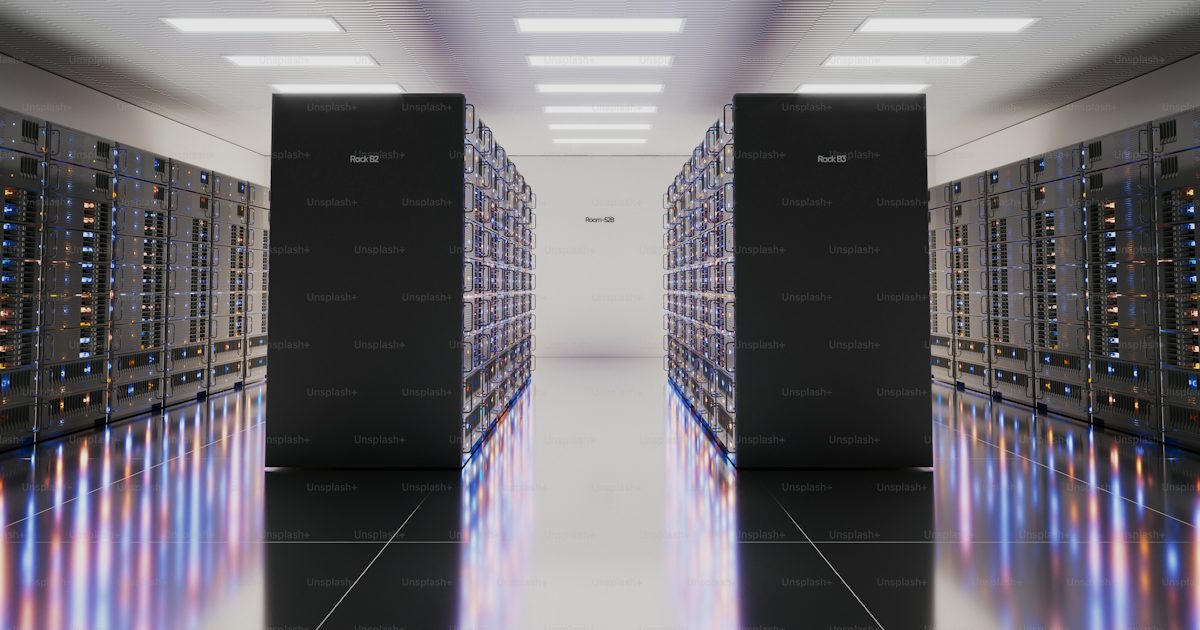
Higher density means more computing power in the same floor space. That sounds efficient, but it also means the air conditioning and power distribution have to be stronger. Traditional raised-floor cooling that works fine for lighter loads can struggle when heat is concentrated in fewer racks.
Many facilities now use contained hot or cold aisles, liquid cooling for the hottest equipment, or higher airflow designs. Power delivery also needs more redundancy so a single failure does not take down an entire high-value cluster.
Teams that already run dense racks often say the biggest difference is predictability. Once the infrastructure is sized correctly, adding another GPU server does not create sudden surprises.
Why AI Workloads Push This Trend
Training or inference for AI models does not scale the same way as regular applications. A single training job can occupy many GPUs for hours or days. The servers stay at high utilization, so the power and cooling demand stays elevated instead of fluctuating.
Colocation customers who move AI workloads into a facility that was built for lower density often run into limits faster than expected. They either have to spread equipment across more racks (using more space) or upgrade the power and cooling feeds.
Facilities that already hold Tier IV certification and sit close to major internet exchanges in Jakarta tend to make stable connectivity easier to maintain while handling these denser loads. The combination of reliable power paths and good network reach helps keep the GPUs productive instead of waiting on infrastructure.
Practical Checks Before Choosing a Facility
Before placing high-density equipment, it helps to ask a few concrete questions:
- What is the maximum power per rack the facility can actually deliver today?
- How is cooling handled for racks above 15–20 kW?
- Is there a path to increase density later without moving to another hall?
- What is the measured latency to major internet exchanges?
These answers matter more than marketing claims about “AI-ready.” A facility that can show recent load tests or existing high-density deployments usually gives a clearer picture.
Location and Redundancy Still Matter
Even with the right power and cooling, the network path affects how useful the compute is. Low latency to customers or to other systems reduces the time spent moving data. Being near large internet exchanges helps keep that latency low and stable.
Redundancy is equally important. AI jobs that run for days become expensive if a power or cooling failure forces a restart. Facilities designed with multiple independent power and cooling paths reduce that risk.
Many teams prefer colocation that also offers a disaster-recovery option in a different city so regional risks stay manageable. Having a DRC in a place like Bali, for example, lets critical data or secondary systems stay online even if the primary site faces local issues.
Looking Ahead
High-density racks are no longer only for the largest hyperscale operators. More enterprise and mid-size teams are running their own AI experiments or production inference. Data centers that can support those loads without constant upgrades become simpler to operate over time.
If your workloads are already moving toward higher power density, choosing a facility built for that reality usually feels less stressful than trying to stretch an older design. The combination of Tier IV-level reliability, strong connectivity near Jakarta’s internet exchanges, and options for remote recovery tends to make day-to-day operations smoother as the compute grows.