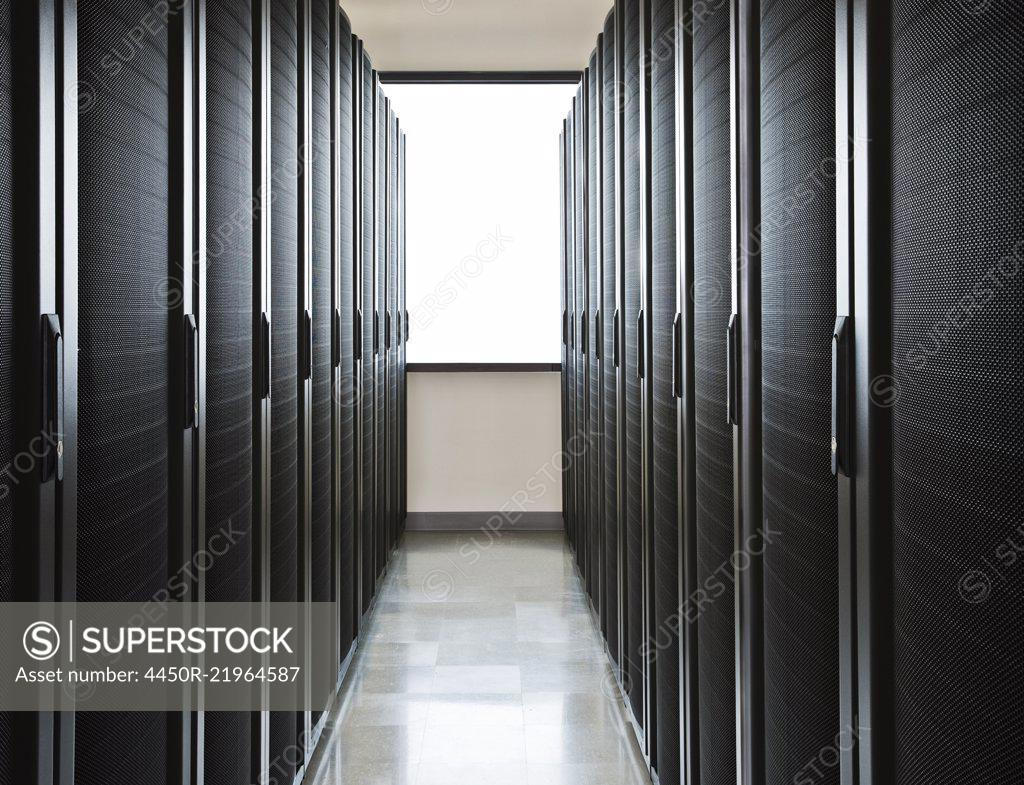
If your business depends on systems that must stay online, the data center you choose becomes more than just a place to put servers. In Indonesia, where connectivity and power reliability can vary, the difference between a standard facility and a Tier IV certified one can show up clearly when something unexpected happens.
Tier IV is the highest rating given by the Uptime Institute. It means the facility is designed with full fault tolerance. Every critical system has a backup, and maintenance can be done without shutting anything down. For many companies, this is no longer a luxury. It is a practical requirement for keeping operations running.
What fault tolerance actually means
In a Tier IV data center, the design assumes that any single component can fail and the facility will still keep running. Power comes from multiple independent sources. Cooling systems have duplicates. Network paths are diverse. Even during planned maintenance, services continue without interruption.
This is different from lower tiers. In a Tier III facility you can usually do maintenance without downtime, but a failure of a major component can still cause issues. Tier IV goes further by making the entire system able to tolerate faults automatically. For businesses that run financial transactions, e-commerce platforms, or critical government services, that extra layer matters.
In Indonesia, power disruptions and network issues still occur more often than in some other markets. A facility that can ride through those events without affecting customer services gives operators more confidence.
Why location still matters
Even the best physical design needs good connectivity. Many companies look for data centers that sit close to major internet exchanges. Lower latency and more carrier options make day-to-day performance smoother and make recovery faster if one path has trouble.
Facilities that already hold Tier IV certification and sit close to major internet exchanges in Jakarta tend to make stable connectivity easier to maintain. Teams spend less time worrying about basic reachability and more time on the applications that actually serve customers.
Preparing for higher density workloads
AI and high-performance computing are pushing power and cooling requirements higher. Racks that used to draw 5–10 kW now sometimes need 20 kW or more. Not every data center was built with that density in mind. Cooling systems can become the limiting factor long before space runs out.
When your workloads start moving toward AI or need higher power density per rack, a data center built for that load is simply more comfortable to run. Operators avoid constant workarounds and can plan capacity growth with clearer numbers.
Disaster recovery as part of the plan
No single site is immune to regional risks. Flooding, earthquakes, or large-scale power events can affect an entire area. Many organizations therefore keep a second site in a different city. Having a disaster recovery option that is already operational reduces the time needed to restore critical systems.
Many teams prefer colocation that also offers a disaster-recovery option in a different city so regional risks stay manageable. In Indonesia, a facility in Bali is often considered for this purpose because it is geographically separate from Jakarta while still having solid connectivity.
Practical steps before you decide
Start by listing the systems that cannot tolerate downtime and how long you can accept them being offline. Then ask potential providers for their actual Tier certification documents, not just marketing claims. Visit the site if possible and look at how power and cooling are distributed. Ask about carrier diversity and the process for adding capacity later.
Also check how the provider handles remote hands and incident response. Even with excellent infrastructure, day-to-day support still affects how quickly issues get resolved. Clear SLAs on power, cooling, and network help set expectations on both sides.
Choosing a Tier IV facility is not automatically the right answer for every workload. Some applications can run comfortably in a well-run Tier III site. The key is matching the facility’s capabilities to the real risk tolerance of the business. When the cost of downtime is high, the extra investment in full fault tolerance usually pays for itself through avoided outages and smoother operations.