
AI workloads keep growing and they behave differently from ordinary servers. They pull more power, generate more heat, and dislike interruptions.
What AI actually demands from a data center
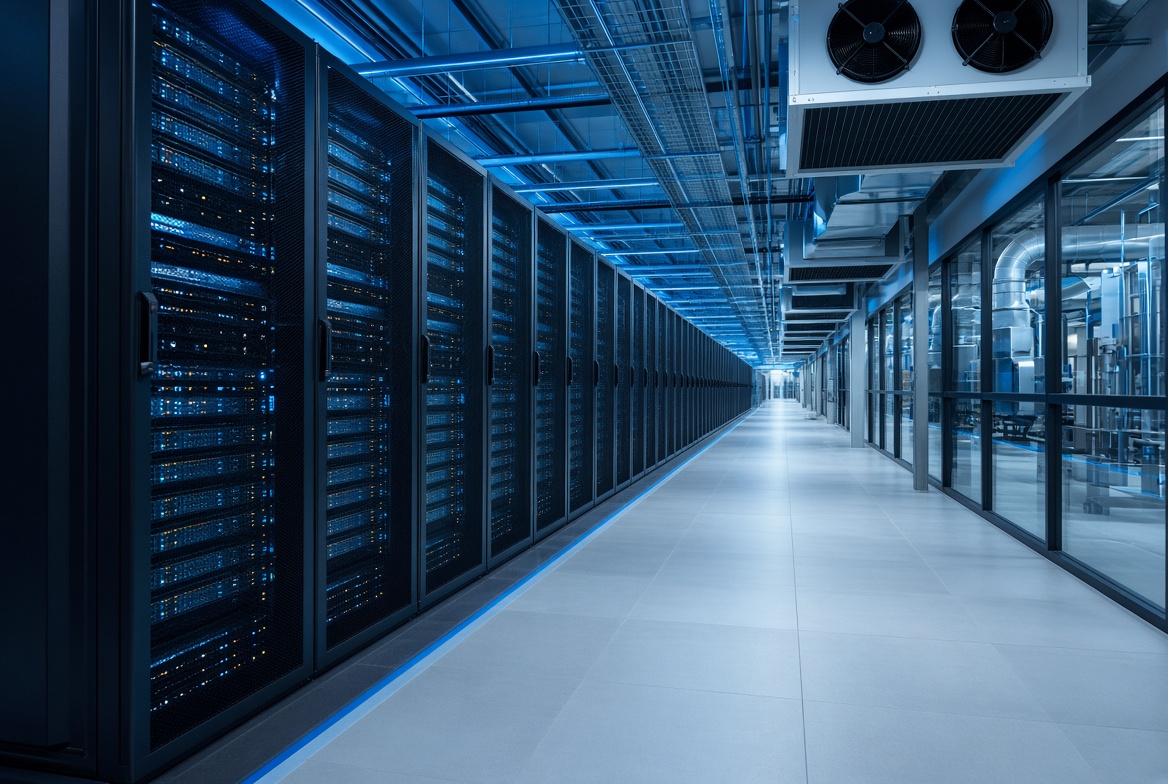
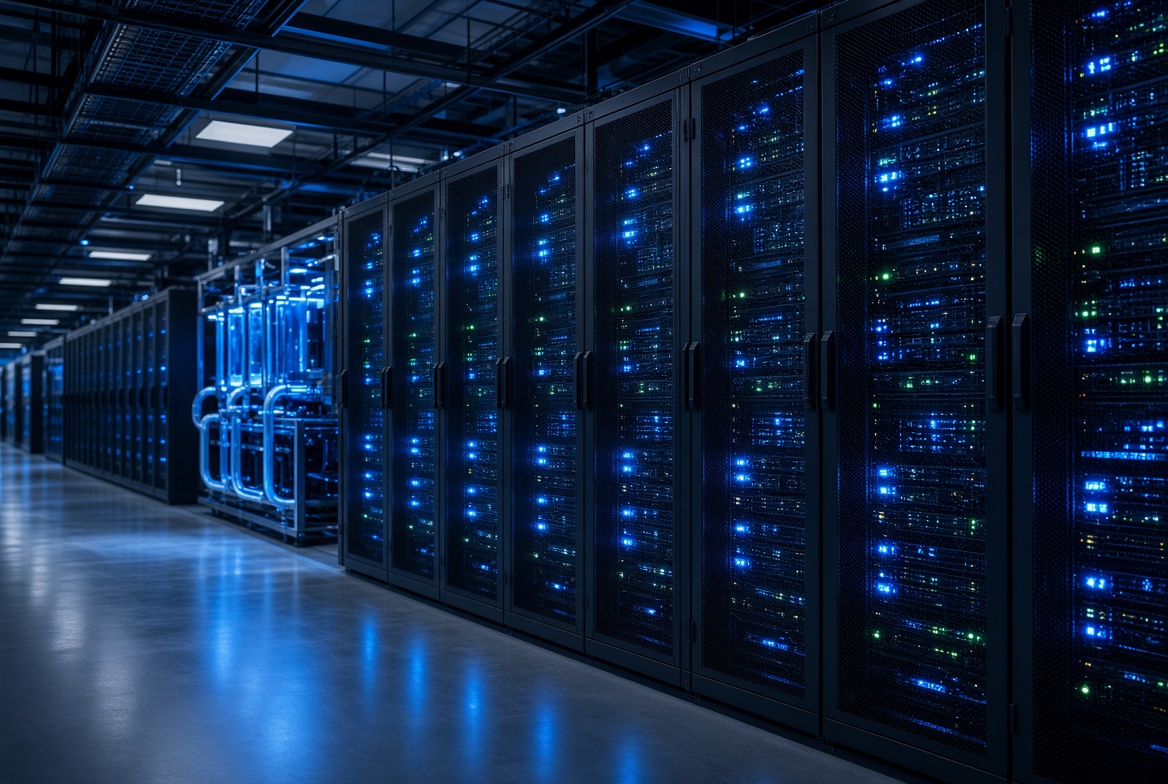
Training or inference servers often sit in dense racks. Power per rack can jump well above traditional levels. Cooling has to keep up or temperatures rise fast and performance drops.
Downtime is also more costly. A long interruption can waste expensive GPU hours and delay projects. Redundancy in power and cooling therefore matters more than before.
Connectivity stays important too. Large datasets move between locations and low latency helps when models are served to users.
How Tier standards help
Tier IV means the facility is designed with multiple independent paths for power and cooling. Concurrent maintainability is built in so one component can be serviced without shutting everything down.
That design reduces the chance of unplanned outages. For AI teams that run continuous jobs, the difference is practical rather than theoretical.
Facilities that already hold Tier IV certification and sit close to major internet exchanges in Jakarta tend to make stable connectivity easier to maintain.
Location and supporting services
Being near internet exchanges shortens the path for data. Latency stays lower and bandwidth options are richer. That helps both training data movement and real-time inference.
Many teams also want a disaster-recovery option in a different city. A second site in Bali, for example, keeps regional risks separate.
When your workloads start moving toward AI or need higher power density per rack, a data center built for that load is simply more comfortable to run.
Practical steps for teams
Start by measuring current power and cooling headroom. Ask providers about maximum density per rack and how they handle GPU clusters.
Check recent uptime records and whether remote-hands support is available. Small operational issues are easier when local staff can act quickly.
Many companies prefer colocation that also offers a disaster-recovery option in a different city so regional risks stay manageable.
Overall, the shift toward AI does not require every company to build its own facility. Choosing a Tier IV data center that is already prepared for higher density usually removes a lot of operational friction.