AI workloads have changed what many companies expect from their data centers. Training models or running inference at scale needs steady power and strong cooling. If the facility was designed mainly for traditional servers, high-density racks can quickly push limits on electricity and temperature.
That’s why more teams are looking at Tier IV facilities. The higher certification level means more redundancy in power and cooling. Even if one system has a problem, the rest can keep running. For AI that runs around the clock, that kind of stability matters.
What AI Actually Needs from a Data Center
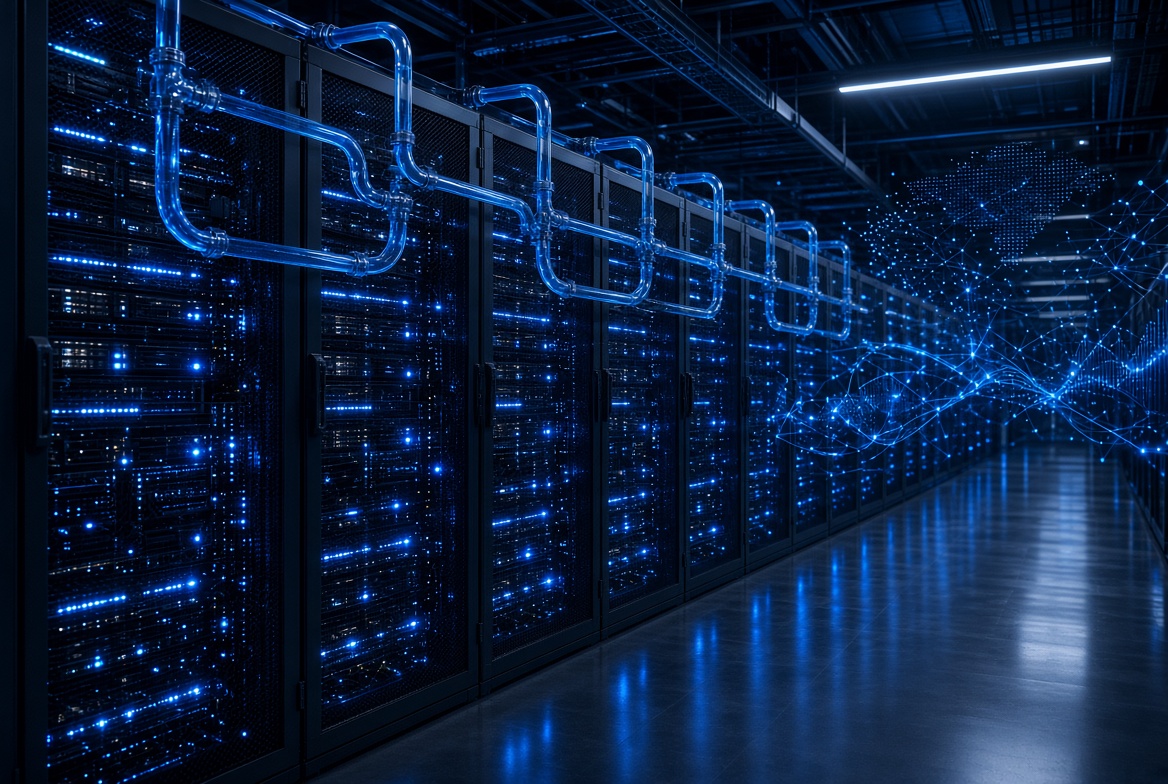
Modern AI hardware often packs more processors into each rack than older servers. A single rack can draw several times the power of a traditional web server rack. That extra power turns into heat that has to be removed quickly, otherwise performance drops or hardware fails.
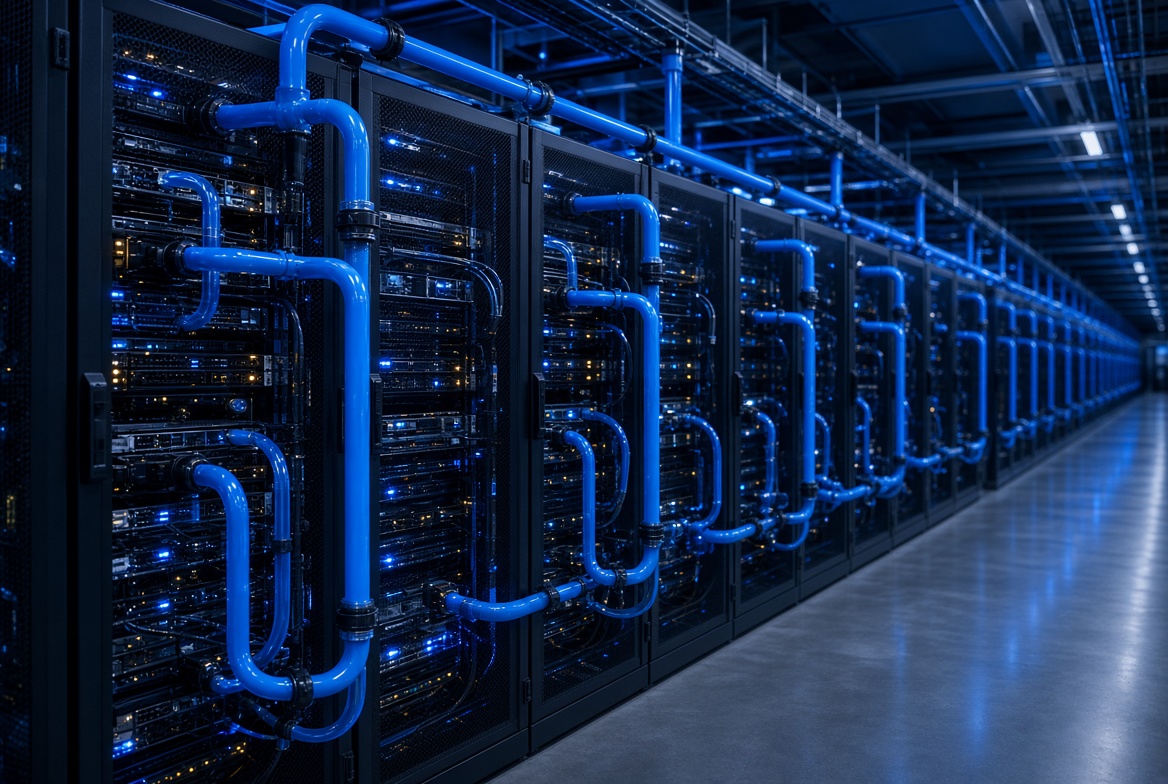
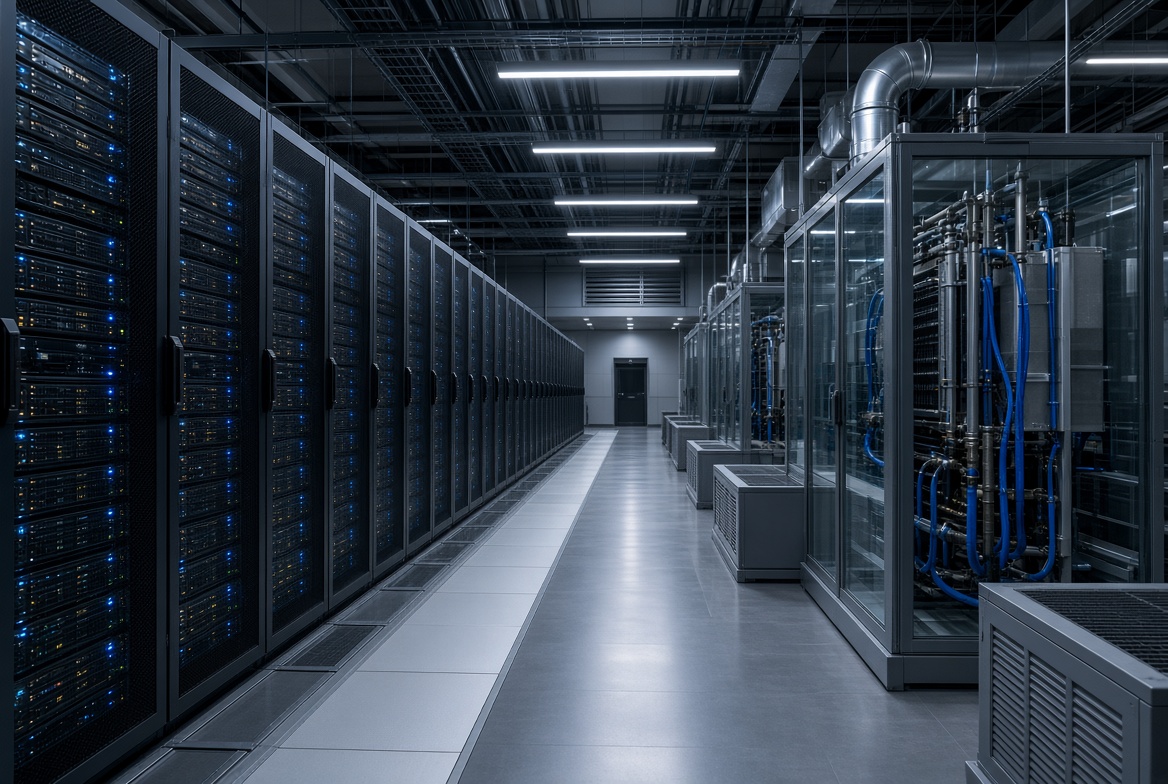
Cooling systems that worked fine for standard density may struggle. Liquid cooling or more advanced air systems become useful. Power distribution also needs capacity for sudden spikes when many GPUs start working at once. Facilities that planned for these higher loads from the beginning tend to have fewer surprises later.
Why Tier IV Helps in Practice
Tier IV means the data center can tolerate the failure of any single component without affecting operations. For power, that usually means multiple independent paths. For cooling, the same idea applies. If one chiller or one power feed has an issue, the others take over.
For AI teams, this reduces the chance of an unexpected shutdown in the middle of a long training run. It also makes maintenance easier because you can work on one system while the rest continue. Many operators find that the higher upfront design pays off in fewer interruptions once the workloads are running.
Location and Connectivity Still Matter
Even with good power and cooling, the facility’s location affects how easily data moves in and out. Being close to major internet exchanges in Jakarta reduces the distance data has to travel. Lower latency helps applications that need quick responses, whether that’s serving AI results to users or moving large datasets between sites.
Facilities that already hold Tier IV certification and sit close to major internet exchanges in Jakarta tend to make stable connectivity easier to maintain. Teams that also need a recovery option in another city can look at disaster recovery sites, for example in Bali, so regional risks stay more manageable.
Choosing the Right Setup
Not every company needs the highest density right away. Some start with standard racks and add high-density capacity later. The key is knowing whether the facility can support the upgrade without major reconstruction. Asking about current power density limits, cooling headroom, and planned expansions helps avoid surprises.
When your workloads start moving toward AI or need higher power density per rack, a data center built for that load is simply more comfortable to run. Colocation in a well-prepared facility lets internal teams focus on the models and applications instead of managing generators and chillers themselves.
Looking Ahead
AI hardware keeps getting denser, and power requirements are rising. Facilities that can handle today’s loads and still have room to grow will be more useful over the next few years. Checking Tier level, power capacity, cooling approach, and connectivity options early makes the decision clearer.
A data center that already combines high reliability with good connectivity usually fits AI growth better than one that has to be upgraded later under pressure.